Inositol
- Createtime: 2024-07-16
- Updatetime: 2024-07-16
Product Details
Inositol, Chinese alias: muscle sugar; Cyclohexanol; Cellulitol (sarcose). English name: Inositol English alias: Cyclohexanehexol; Hexahydroxycyclohexane; myo-inositol plant cell culture tested; myo-Inositol, FCC Grade i-Inositol, FCC Grade; meso-inositol; p-Iodo Phenol; Myo-Inositol; Inosit; Inositol NF12
Inositol is widely distributed in animals and plants and is a growth factor for animals and microorganisms. It was first isolated from myocardium and liver. There are multiple cis- and trans-isomers of cyclohexanol in nature, and the naturally occurring isomer is cis-1,2,3,5-trans-4,6-cyclohexanol.
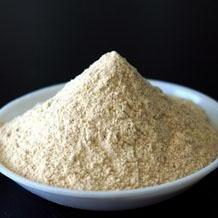
Inositol obtained from water or acetic acid above 80 °C is a white crystal, with a melting point of 253 °C, a density of 1.752 g/cm3 (15 °C), a sweet taste, soluble in water and acetic acid, and no optical rotation. It can be extracted from corn soaking liquid. It is mainly used for the treatment of cirrhosis, hepatitis, fatty liver, and high blood cholesterol.
Inositol is a substance that is widely found in food and is structurally similar to glucose. Pure inositol is a stable white crystal, soluble in water and sweet, resistant to acids, alkalis and heat. In animal cells, it occurs mainly in the form of phospholipids, sometimes referred to as inositol phospholipids. In grains, it is often combined with phosphoric acid to form hexaphosphate, that is, phytic acid, and phytic acid can be combined with calcium, iron, and zinc to form insoluble compounds, which interfere with the body's absorption of these compounds. However, inositol in soybeans is free
Inositol is widely distributed in animals and plants and is a growth factor for animals and microorganisms.