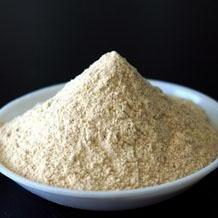
DL-Methionine
- Createtime: 2024-07-16
- Updatetime: 2024-07-16
Product Details
Product Name: DL-Methionine
CAS Registry Number: 59-51-8
Molecular formula: C5H11NO2S
Linear molecular formula: CH3SCH2CH2CH(NH2)COOH
Molecular weight: 149.21
Purity: ≥99%
MDL Number: MFCD00063096
Beilstein: 636185
EC Number: 200-432-1
Nutritional supplements. It has the same physiological effect as L-type methionine, but the price is low (L-form is made from DL-type), so DL-methionine is generally used. In oats, rye, rice, corn, wheat, peanut meal, soybeans,
Restricted amino acids are found in plant foods such as potatoes and spinach. Add to the above foods to improve amino acid balance. The amount required varies with cystine intake. The adult male requirement is 1.1 g/day.
Sea urchin flavor is related to methionine, sea urchin sweetness is related to glycine and alanine, bitterness is related to valine, umami is related to glutamic acid, etc., so these amino acids can be formulated into flavorings.
According to China's GB 2760-86 regulations, it can be used as a spice.
It is used as a nutrient fortifier for feed. Lack of methionine in livestock and poultry can cause stunting, weight loss, weakened liver and kidney function, muscle atrophy, and fur deterioration. 1kg of methionine is added to the feed, which is equivalent to 50kg of fishmeal
nutrient value. The general amount of addition to the feed is 0,05%-0.2%.
The content of commercial methionine is ≥ 98.5%, which is one of the amino acids necessary for the growth of poultry and livestock animals, and is the "backbone" amino acid of biosynthetic proteins, which has a strong regulatory effect on animal metabolism
It is widely used in medicine, food, feed and cosmetics and other fields. Among them, in medicine, it can be used as the main component of amino acid infusion and compound amino acids, and can also be used to synthesize medicinal vitamins.
Using its anti-fatty liver effect, it can be used to produce hepatoprotective preparations; In terms of food, it is used for the strengthening of amino acids in food and the processing of food health products, and can be used as a nutritional supplement.
Therefore, it is only used for fish cake products; In the feed industry, the dosage of methionine *, used as a nutritional enhancer for feed, a feed additive to make up for the amino acid balance,
Among the varieties of amino acid nutritional feed additives, methionine accounts for 60%, lysine accounts for 30%, and other amino acids account for about 10%.