-
Tel:15618093168
|
Email:2307176274@qq.com



The features of L-tryptophan are primarily reflected in its physicochemical properties, physiological functions, and broad applications. Below is a detailed summary of its characteristics:
Ⅰ.Physicochemical Properties
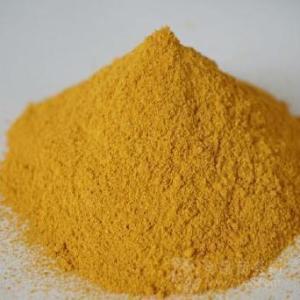
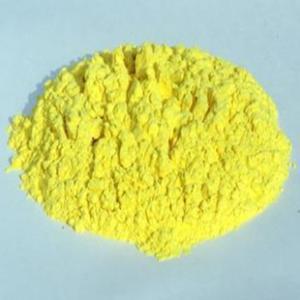
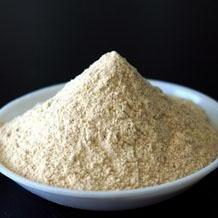
·Appearance and Traits: L-Tryptophan appears as white to slightly yellow crystalline flakes or crystalline powder. It is odorless with a slightly bitter taste.
·Solubility: L-Tryptophan is slightly soluble in water, sparingly soluble in ethanol, and insoluble in chloroform or ether. However, it dissolves readily in formic acid, as well as in sodium hydroxide solution or dilute hydrochloric acid.
·Density and Melting Point: The density of L-tryptophan is approximately 1.362 g/cm³ (reported as 1.4 ± 0.1 g/cm³ in some studies), and its melting point ranges from 281–282°C (with other reports noting 289–290°C).
·Stability: L-Tryptophan darkens under prolonged light exposure. It is relatively stable when heated with acids in the dark but easily decomposes when coexisting with other amino acids, sugars, or aldehydes.
Ⅱ.Physiological Functions
·Essential Amino Acid: L-Tryptophan is one of the essential amino acids for humans and animals. It cannot be synthesized by the body and must be obtained through dietary intake.
·Precursor for Neurotransmitters: L-Tryptophan serves as a precursor for serotonin (5-hydroxytryptamine), melatonin, and vitamin B3 (niacin). These substances play vital roles in regulating mood, sleep, appetite, and circadian rhythms.
·Participation in Metabolism: L-Tryptophan and its metabolites are extensively involved in metabolism, producing a variety of bioactive substances such as pigments, alkaloids, coenzymes, and plant hormones. These substances influence the metabolism of proteins, lipids, and carbohydrates, as well as several critical physiological and biochemical reactions in the body.
Ⅲ.Broad Applications
1. Medicine and Nutritional Supplements:
L-Tryptophan can be used in amino acid injection solutions and, when combined with iron supplements or vitamins, can improve symptoms such as anemia and depression. In the UK, L-tryptophan has been listed as an antidepressant. Additionally, it can act as a sedative for insomnia and be used in treatments for Parkinson's disease, hypertension, and pain management.
2. Food Applications:
As a food additive, L-tryptophan enhances the body's utilization of plant proteins, accelerates protein digestion, and can act as a preservative. For example, it can be added to milk powder to prevent spoilage or used as a preservative for fish.
3. Feed Additive:
L-Tryptophan is one of the three major amino acid additives in animal feed. Adding trace amounts to feed can promote weight gain, improve the growth rate of poultry, and prevent niacin deficiency.
4. Agriculture and Environmental Monitoring:
L-Tryptophan can induce feeding cessation and death in southern armyworms and enhance the efficacy of pesticides when added to salicylic acid and cyclic phosphates as a stabilizer. Due to its indole ring, which makes it one of the most fluorescent amino acids, L-tryptophan is also used for detecting toxic metal ions such as arsenic, lead, and mercury in ecosystems and natural environments.
L-Tryptophan possesses unique physicochemical properties, significant physiological functions, and extensive application value. It plays critical roles in various fields, including medicine, food, feed, and agriculture.