-
Tel:15618093168
|
Email:2307176274@qq.com


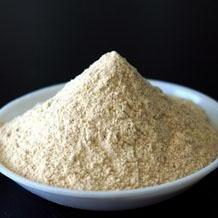
The production of L-threonine by the protein hydrolysis method is an important production method, and the following are its advantages and disadvantages:
I. Advantages
Wide Source of Raw Materials: The raw materials for the production of L-threonine by the protein hydrolysis method are usually various protein-rich substances, such as animal hair, blood meal, soybean protein, etc. These raw materials exist in large quantities in nature, are relatively easy to obtain, and have a relatively low cost, providing a sufficient material basis for large-scale production.
Simple Production Process: The basic principle of this method is to hydrolyze proteins using acids, alkalis, or enzymes, and then obtain L-threonine through separation, purification, and other steps. The entire production process does not require complex biological fermentation equipment and strict aseptic operating conditions. The production process is relatively simple, easy to understand and master, and has high feasibility for some enterprises with limited technical levels and equipment conditions.
High Product Safety: Since natural proteins are used as raw materials and biotechnology such as genetic engineering is not involved in the production process, the produced L-threonine has an advantage in terms of safety. The product is more easily accepted by consumers and has a certain market competitiveness when applied in fields with high safety requirements such as food and medicine.
II. Disadvantages
Low Production Efficiency: During the protein hydrolysis process, protein molecules need to be gradually degraded into amino acids. This process is relatively slow, and the hydrolysis reaction is often incomplete, resulting in a large amount of peptides and other impurities, leading to a low yield of L-threonine. At the same time, the subsequent separation and purification steps are also cumbersome, requiring a great deal of time and effort, which further reduces the overall production efficiency.
Low Product Purity: The products of protein hydrolysis are a complex mixture. In addition to L-threonine, they also contain various other amino acids, peptides, sugars, and other impurities. Although various separation and purification technologies can be used to improve product purity, it still faces great challenges to obtain high-purity L-threonine. A combination of multiple separation methods is required, increasing production costs and process complexity.
Environmental Pollution Problems: During the protein hydrolysis process, especially when acid-base hydrolysis is used, a large amount of pollutants such as wastewater and waste residue will be generated. These wastes contain a large amount of acid-base substances, organic matter, and salts, etc. If they are directly discharged without treatment, they will cause serious pollution to the environment. Special environmental protection treatment facilities need to be equipped for treatment, increasing the environmental protection costs and operational pressure of enterprises.
Unstable Raw Material Composition: The amino acid composition and content of protein raw materials from different sources and batches may vary greatly, which will lead to unstable yield and quality of L-threonine. During the production process, strict testing and screening of raw materials are required, and production process parameters need to be adjusted according to the characteristics of the raw materials, increasing the difficulty and cost of production management.