-
Tel:15618093168
|
Email:2307176274@qq.com


Physical Properties and Storage Methods of L-Threonine
I. Physical Properties
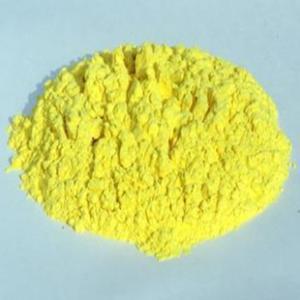
Appearance: L-threonine typically appears as a colorless to white crystalline powder. It has a fine texture with a certain level of gloss, presenting a pure white color under normal lighting conditions, giving it a visually clean and pure appearance.
Melting Point: L-Threonine has a relatively high melting point, generally ranging from 253°C to 257°C. Before reaching this temperature, it remains in a stable solid form, allowing it to exist stably under normal temperature conditions.
Solubility: L-Threonine is soluble in water. At 25°C, approximately 15 grams of L-Threonine can dissolve in 100 mL of water. However, its solubility in organic solvents such as ethanol and ether is relatively poor.
Optical Rotation: L-Threonine exhibits optical activity, with a specific rotation of approximately -28.5° to -31.5° (c = 2, 5 mol/L HCl). This property is determined by its chiral molecular structure and plays an essential role in optical activity-related applications and research.
Odor and Taste: L-Threonine is odorless and has a slightly sweet taste. Its low taste threshold allows it to influence the flavor profile of food products in various applications.
II. Storage Methods
1. Packaging Selection
Inner Packaging: L-Threonine is typically stored in sealed plastic bags or aluminum foil bags, which effectively isolate it from air and moisture, preventing potential reactions with the external environment.
Outer Packaging: It is usually placed in cardboard drums or plastic barrels, providing additional protection and ease of handling and storage. These containers should have good compression resistance and moisture-proof properties.
2. Storage Environment Requirements
Temperature: The recommended storage temperature is 2 - 8°C. At this temperature range, L-Threonine remains stable, reducing the risk of degradation or other chemical reactions. Prolonged exposure to high temperatures may cause decomposition or undesired chemical changes.
Humidity: The relative humidity of the storage environment should be maintained at 40% - 60%. Excessive humidity can cause moisture absorption and clumping, affecting the quality and usability of L-Threonine. To prevent this, desiccants such as silica gel can be placed inside the storage containers to absorb excess moisture.
Light Exposure: L-Threonine should be protected from direct sunlight and strong UV radiation, as light exposure may trigger photochemical reactions, potentially altering its structure and reducing its purity and activity. Therefore, it should be stored in a cool, dark place, preferably in light-resistant packaging materials or a shaded storage facility.