-
Tel:15618093168
|
Email:2307176274@qq.com


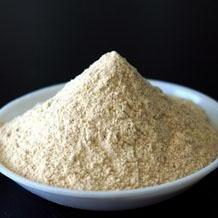
L-threonine is mainly used in the biological nitrogen removal process of sewage treatment. By providing nutrients for microorganisms, it promotes the growth and reproduction of denitrifying bacteria, thereby improving the nitrogen removal effect. The following are the precautions for its use in sewage treatment:
Control of the dosage: The dosage of L-threonine needs to be precisely controlled according to factors such as the nitrogen content in the sewage, the quantity of microorganisms, and the requirements of the treatment process. If the dosage is too low, it cannot meet the growth needs of microorganisms, affecting the nitrogen removal effect; if the dosage is too high, it will not only increase the cost but also may lead to an increase in the chemical oxygen demand (COD) of the effluent, affecting the water quality. Generally speaking, the appropriate dosage range needs to be determined through small-scale tests and pilot-scale tests.
Feeding method: In order to ensure that L-threonine can be evenly distributed in the sewage and fully contact with the microorganisms, an appropriate feeding method should be selected. It can be fed continuously or intermittently. Continuous feeding helps to maintain the stability of the microbial growth environment, while intermittent feeding can be flexibly adjusted according to the growth cycle of microorganisms and the progress of the denitrification reaction. At the same time, attention should be paid to the selection of the feeding point. Usually, it is selected at the inlet end of the denitrification reaction tank or the mixed liquor return port to ensure that it can quickly mix with the sewage and participate in the reaction.
Water quality conditions: The application effect of L-threonine is affected by the water quality conditions of the sewage. Parameters such as the pH value, temperature, and dissolved oxygen content of the sewage have an important impact on the denitrification reaction of microorganisms using it. Generally speaking, the pH value of the sewage should be controlled between 6.5 and 8.5, the temperature is preferably between 20°C and 30°C, and the dissolved oxygen content is about 0.5-1.0 mg/L to create an environment conducive to the growth and metabolism of denitrifying bacteria and ensure that L-threonine can play its best role.
Compatibility with other agents: In the sewage treatment process, multiple agents are usually used, such as flocculants and disinfectants. It is necessary to pay attention to the compatibility between L-threonine and these agents to avoid chemical reactions that may affect their respective effects. For example, certain flocculants may undergo precipitation reactions with it, reducing its effectiveness; and disinfectants may inhibit microorganisms, indirectly affecting the utilization efficiency of L-threonine. Therefore, when selecting and using other agents, their interactions with L-threonine should be fully considered.
Monitoring and adjustment: During the process of using L-threonine for sewage treatment, it is necessary to regularly monitor the water quality indicators of the sewage, such as total nitrogen, ammonia nitrogen, and COD, as well as the growth status of microorganisms, such as sludge concentration and activity. According to the monitoring results, the dosage of L-threonine and other process parameters should be adjusted in a timely manner to ensure that the sewage treatment effect is stably up to the standard. At the same time, attention should be paid to observing whether any abnormal situations occur, such as sludge bulking and deterioration of the effluent water quality, so as to take corresponding measures for treatment in a timely manner.
Safety and storage: L-threonine itself is a relatively safe substance, but during the storage and use process, it is still necessary to pay attention to avoiding moisture, heat, and contact with harmful substances to prevent it from deteriorating or being contaminated. The storage place should be kept dry, well-ventilated, and away from fire sources and oxidants. During the use process, operators should wear necessary protective equipment, such as gloves and masks, to avoid skin contact and inhalation of dust.