-
Tel:15618093168
|
Email:2307176274@qq.com



As an essential branched-chain amino acid in the human body, L-valine has seen an increasingly urgent demand for accurate quantification in food nutrition evaluation, clinical diagnosis (e.g., liver and kidney function monitoring), and fermentation industry quality control. Traditional detection methods (such as high-performance liquid chromatography and capillary electrophoresis) are limited by complex operation, long time consumption, and reliance on large-scale instruments, making them difficult to meet the needs of on-site rapid detection. Fluorescent probe technology has emerged as a preferred solution for small-molecule detection due to its advantages of high sensitivity, high selectivity, rapid response, and visualization potential. Based on the active amino and carboxyl sites of L-valine, this study designs a targeted fluorescent probe and establishes a rapid and accurate detection system. The specific development process and technical key points are as follows:
I. Detection Principle and Probe Design Basis
Core Detection PrincipleThe detection core of fluorescent probes relies on the synergistic effect of "molecular recognition-signal response". A probe molecule consists of a recognition group and a fluorescent reporter group. The recognition group binds to L-valine through specific interactions (e.g., Schiff base reaction, hydrogen bonding, coordination), triggering conformational changes, electron cloud redistribution, or aggregation state alterations of the probe molecule. These changes further induce quantifiable variations in the fluorescence intensity (enhancement/quenching), emission wavelength (red shift/blue shift), or fluorescence lifetime of the fluorescent reporter group. Quantitative detection is achieved through the linear relationship between the fluorescence signal and L-valine concentration.
Targeted Recognition Sites of L-valineIn the molecular structure of L-valine, the α-amino group (-NH₂) and α-carboxyl group (-COOH) are the core active sites. The lone pair of electrons on the amino group exhibits strong nucleophilicity, enabling specific reactions with electrophilic groups of the probe such as aldehyde (-CHO) and isothiocyanate (-NCS). Meanwhile, its side chain is an isopropyl group (-CH(CH₃)₂) with certain hydrophobicity, which can assist in enhancing the binding specificity between the probe and the target molecule through hydrophobic interactions. This provides a structural basis for distinguishing L-valine from other amino acids (e.g., L-leucine, L-isoleucine).
Design Principles of Fluorescent ProbesTo meet the detection requirements of L-valine, probe design must adhere to three core principles: high specificity, rapid response, and strong anti-interference capability. The specific design points include:
Selection of Recognition Groups: Aldehyde (-CHO) or isothiocyanate (-NCS) groups are preferred as targeting groups. The former undergoes a Schiff base reaction (forming a C=N bond) with the α-amino group of L-valine under mild conditions (room temperature, neutral pH). The latter forms stable thiourea derivatives with amino groups, featuring a higher binding constant and suitability for complex matrix detection.
Screening of Fluorescent Reporter Groups: Suitable groups are selected based on detection scenarios. For on-site rapid reading, fluorescence-enhanced groups (e.g., fluorescein, coumarin) are adopted, with a fluorescence intensity enhancement factor of ≥50-fold after binding. For high sensitivity, rhodamine-based "off-on" probes are optional; they remain non-fluorescent in the closed-loop state before binding and emit strong fluorescence upon ring-opening after binding, resulting in extremely low background interference.
Optimization of Water Solubility and Biocompatibility: Hydroxyl (-OH), carboxyl groups, or polyethylene glycol (PEG) chains are introduced into the probe molecule to improve its solubility in aqueous solutions (≥100 μmol/L) and avoid fluorescence quenching caused by aggregation. Meanwhile, the probe must maintain stability within the physiological pH range (7.2–7.4) or food matrix pH range (4.0–8.0), exhibit no cytotoxicity, and be extendable to biological sample detection.
II. Synthesis and Characterization of Fluorescent Probes
Synthetic Route of Probe Molecules (Taking Aldehyde-modified Coumarin Probe as an Example)Using 4-methylumbelliferone (a coumarin derivative, serving as the fluorescent reporter group) as the parent, a fluorescent probe targeting L-valine (named Cou-CHO) was synthesized through three-step reactions:
Nitration Reaction: 4-methylumbelliferone reacts with concentrated nitric acid under ice bath conditions to introduce a nitro group (-NO₂) into the coumarin core, enhancing molecular electrophilicity. The product was purified by silica gel column chromatography (eluent: ethyl acetate/petroleum ether = 1:3) with a yield of approximately 78%.
Reduction Reaction: The nitro product was dissolved in ethanol, palladium-carbon catalyst was added, and hydrogen gas (1 atm) was introduced for a 4-hour reaction at room temperature. The nitro group was reduced to an amino group (-NH₂), yielding 4-amino-4-methylumbelliferone with a yield of approximately 92%.
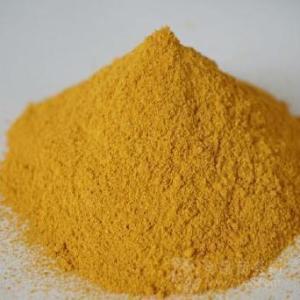
Aldehyde Modification: The amino product reacts with terephthalaldehyde in anhydrous ethanol under reflux for 2 hours. An aldehyde recognition group was introduced at the molecular terminal via a Schiff base reaction. After cooling and crystallization, recrystallization with ethanol was performed to obtain the yellow powdered probe Cou-CHO, with a purity of ≥98% verified by HPLC.
Structural and Spectral Characterization of ProbesMulti-dimensional methods were used to verify the structure and fluorescence properties of the probe:
Structural Characterization: ¹H NMR (deuterated DMSO as solvent) showed a characteristic peak of aldehyde hydrogen at δ 9.82 ppm and a hydrogen signal of the Schiff base C=N bond at δ 8.35 ppm. Combined with mass spectrometry (ESI-MS), the measured molecular ion peak was consistent with the theoretical value (C₁₇H₁₃NO₄), confirming successful synthesis.
Spectral Properties: In PBS buffer (pH 7.4), probe Cou-CHO exhibited a maximum excitation wavelength of 365 nm and a maximum emission wavelength of 452 nm, with a fluorescence quantum yield (Φ) of 0.08. The low fluorescence background originated from the inhibition of the intramolecular charge transfer (ICT) effect. After adding L-valine, the emission peak intensity was significantly enhanced, and the quantum yield increased to 0.62, confirming the effectiveness of the "recognition-signal activation" mechanism.
III. Establishment and Optimization of Detection Methods
Determination of Basic Conditions for the Detection SystemUsing Cou-CHO as the probe, an aqueous solution detection system was constructed. Core conditions were optimized via the single-factor variable method to ensure optimal detection performance:
Probe Concentration: With the L-valine concentration fixed at 50 μmol/L, the probe concentration was increased from 1 μmol/L to 20 μmol/L. At a concentration of 10 μmol/L, the fluorescence enhancement factor reached the maximum value (6.5-fold). Further increasing the concentration led to a stable fluorescence intensity. Thus, 10 μmol/L was selected as the optimal probe concentration.
pH Optimization: The fluorescence response was investigated within the pH range of 5.0–9.0. The most significant fluorescence enhancement effect was observed at pH 7.0–7.4 (relative fluorescence intensity, RFI ≥ 98%). Acidic conditions (pH < 6.0) inhibited the Schiff base reaction, while alkaline conditions (pH > 8.0) caused hydrolysis of the probe aldehyde group. Therefore, the pH of the detection system was determined to be 7.2.
Response Time: After adding L-valine, real-time monitoring of fluorescence intensity changes showed that the fluorescence intensity increased rapidly within 10 minutes and stabilized after 15 minutes. To balance the requirements of "rapidity" and "stability", a reaction time of 15 minutes was selected.
Standard Curve Plotting and Quantitative Model EstablishmentUnder optimized conditions, L-valine standard solutions (concentration range: 0.5–100 μmol/L) were prepared and reacted with the probe solution, respectively. The fluorescence intensity was measured at an excitation wavelength of 365 nm and an emission wavelength of 452 nm. A standard curve was plotted with L-valine concentration (c) as the abscissa and relative fluorescence intensity (RFI) as the ordinate, yielding the linear regression equation: RFI = 12.36c + 45.82 (R² = 0.9987). This indicated a good linear relationship within the range of 0.5–100 μmol/L. The limit of detection (LOD) was calculated as 3σ/k (σ is the standard deviation of blank signals, k is the slope of the regression equation), resulting in a value of 0.12 μmol/L, which is far superior to the traditional HPLC method (LOD ≈ 1 μmol/L).
Verification of Selectivity and Anti-interference PerformanceTo evaluate the specificity of the method, common interfering substances were selected, including other amino acids (L-leucine, L-isoleucine, L-alanine), biological small molecules (glucose, urea, creatinine), and metal ions (K⁺, Na⁺, Ca²⁺, Mg²⁺). Their effects on the probe fluorescence signal were investigated under the same conditions. The results showed that only L-valine could induce a significant enhancement of probe fluorescence intensity (enhancement factor > 6-fold), while the fluorescence enhancement factors of other interfering substances were all < 0.5-fold. This demonstrated the excellent recognition specificity of the probe for L-valine, which is attributed to the hydrophobic matching effect between the probe and the isopropyl side chain of L-valine, enabling effective differentiation from structurally similar L-leucine (with an isobutyl side chain).
Quantitative L-valine was added to simulated complex matrices (e.g., milk, serum diluent). The trend of fluorescence signal change was consistent with that in pure aqueous solution, with a relative error < 5%, confirming the good anti-interference capability of the method and its applicability to actual sample detection.
IV. Actual Sample Detection and Method Comparison
Pretreatment of Actual SamplesSimple pretreatment methods were adopted for different types of samples:
Fermentation Broth Samples: 1 mL of fermentation broth was centrifuged at 8000 r/min for 5 minutes to remove bacterial cells. The supernatant was diluted 10-fold with PBS buffer (pH 7.2) and directly used for detection.
Serum Samples: 0.5 mL of serum was mixed with an equal volume of acetonitrile for protein precipitation. After centrifugation, the supernatant was diluted 20-fold with PBS buffer to eliminate matrix interference.
Food Samples (e.g., Protein Powder): 0.1 g of sample was ultrasonically extracted with 5 mL of PBS buffer for 30 minutes. After centrifugation, the supernatant was diluted 50-fold for detection.
Detection Results and Method ComparisonTen groups of actual samples were detected in parallel using this method and high-performance liquid chromatography (HPLC). The results showed no significant difference between the measured values of the two methods (t-test, P > 0.05). The spiked recovery rate of this method ranged from 96.3% to 103.5%, with a relative standard deviation (RSD) < 3%, meeting the requirements of quantitative analysis. Meanwhile, the detection time per sample using this method was only 20 minutes (including pretreatment), compared to 1–2 hours for the HPLC method. Furthermore, it does not require large-scale instruments such as HPLC and can achieve on-site rapid detection using a portable fluorescence spectrophotometer.
V. Method Optimization Directions and Application Prospects
Existing Limitations and Optimization Directions
Although this method has achieved rapid detection, there is still room for improvement. First, the photostability of the probe needs to be enhanced; prolonged light exposure (> 2 hours) leads to approximately 15% fluorescence attenuation, which can be optimized by introducing rigid groups (e.g., benzothiazole rings) into the probe core. Second, the pH application range of the detection system is relatively narrow; pH-insensitive probes (e.g., dual-fluorophore probes based on the fluorescence resonance energy transfer (FRET) mechanism) can be designed to expand applications in extreme pH samples (e.g., fermentation acid liquor). Third, a visual detection platform should be developed by loading the probe onto test strips or microfluidic chips, enabling semi-quantitative rapid reading through fluorescence color changes, which is more suitable for grassroots detection needs.
Application Prospects
This detection method can be widely applied in three major fields: in the food industry, it is used for real-time quality control of L-valine content in products such as fermented milk and protein powder; in clinical diagnosis, rapid detection of serum samples assists in the early screening of diseases such as liver failure and malnutrition; in the agricultural field, it monitors the accumulation of L-valine in plant tissues to evaluate crop stress resistance. Its characteristics of rapidity, accuracy, and low cost provide new technical support for the multi-scenario detection of L-valine.
In conclusion, this study designs and synthesizes an aldehyde-modified L-valine-targeted fluorescent probe Cou-CHO using coumarin as the parent. Specific recognition is achieved based on the Schiff base reaction and hydrophobic interaction, and a fluorescence-enhanced detection system is constructed. This method features a wide linear range (0.5–100 μmol/L), high sensitivity (LOD = 0.12 μmol/L), and excellent selectivity, with simple pretreatment and rapid detection. It can be effectively applied to the quantitative analysis of L-valine in actual samples. Subsequent optimization of probe structure and integration of detection platforms are expected to further improve the practicality and promotion value of the method.