-
Tel:15618093168
|
Email:2307176274@qq.com
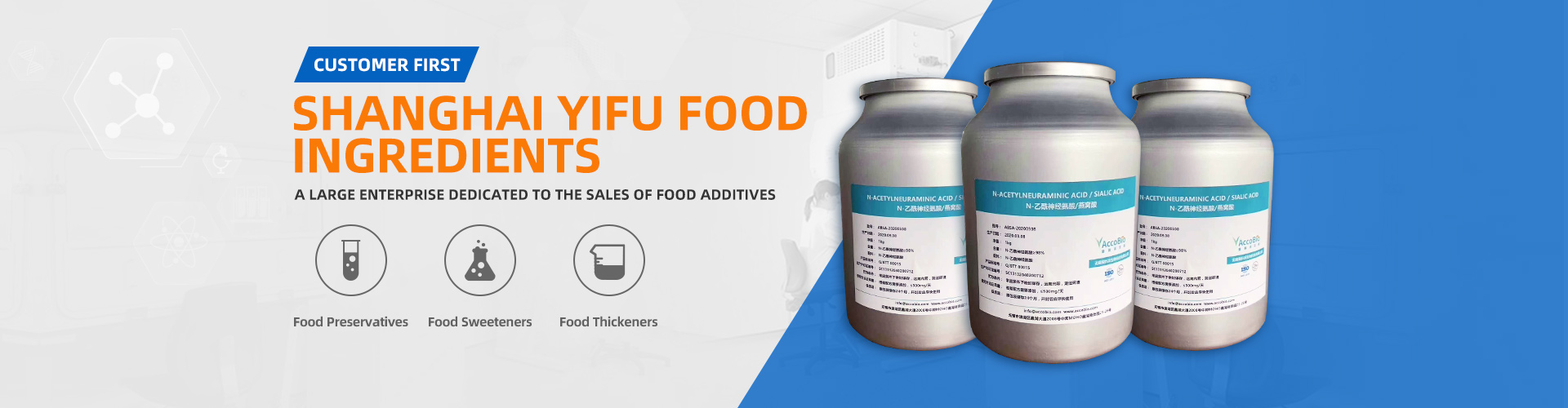


Transporting L-tryptophan requires meeting a series of conditions to ensure its quality and safety. Below is a detailed summary of these requirements:
1.Packaging Requirements
·Sealing: The packaging of l-tryptophan must be well-sealed to prevent contamination from moisture, dust, and other pollutants.
·Material Selection: Packaging materials must comply with relevant regulatory standards, be non-toxic, and not contaminate L-tryptophan. Typically, specialized low-temperature packaging materials such as ice packs and foam are used to maintain low temperatures and prevent damage.
2. Storage Conditions
·Temperature Control: L-tryptophan should be stored in a dry, cool, and well-ventilated environment, avoiding direct sunlight and high temperatures. The storage temperature is generally required to be between 2–8°C to maintain product stability.
·Humidity Control: The storage environment should have moderate humidity to prevent moisture absorption by L-tryptophan.
·Light Exposure: Prolonged exposure to light should be avoided to reduce the risk of oxidation and decomposition.
3. Transportation Methods
·Cold Chain Transport: As L-tryptophan is temperature-sensitive, transportation methods with cold chain capabilities, such as refrigerated trucks or containers, should be utilized.
·Fast Delivery: To ensure the quality of L-tryptophan, fast and reliable transportation methods should be chosen to minimize transit time. Delivery within one day is typically feasible for regions such as Jiangsu, Zhejiang, and Shanghai, while other provinces may require 2–3 days.
·Shock and Vibration Protection: For long-distance transport, measures to prevent shock and vibration should be considered to reduce product losses during transit. Packaging materials like foam or bubble wrap can be used to secure and protect L-tryptophan.
4. Transport Environment Monitoring
·Temperature Monitoring: During transportation, temperature monitoring devices should be used to continuously track the temperature of L-tryptophan, ensuring it remains within a stable range.
·Humidity Monitoring: The humidity of the transport environment should also be monitored to prevent moisture absorption by L-tryptophan.
·Other Environmental Factors: Attention should be given to other environmental factors during transport, such as light exposure and air pressure, to ensure they do not compromise the quality of L-tryptophan.
5. Training for Transport Personnel
·Specialized Knowledge Training: Transport personnel should receive professional training on the properties of L-tryptophan and its storage and transportation requirements.
·Emergency Response Training: Transport personnel should be trained to handle emergencies such as temperature fluctuations or packaging damage, ensuring proper measures are taken in such situations.
Ensuring the packaging requirements, storage conditions, transportation methods, environmental monitoring, and personnel training are met is critical for maintaining the quality and safety of L-tryptophan during transportation.