-
Tel:15618093168
|
Email:2307176274@qq.com



L-Tryptophan, also known as tryptophan, is an essential amino acid that plays a crucial role in the neurological development of infants. Below is a detailed introduction to l-tryptophan, with a focus on its role in infant neurodevelopment:
1. Basic Properties
·Chemical Name: β-Indolylalanine, l-Aminoindolylpropionic acid, 2-Amino-3-(3-indolyl)propionic acid
·Chemical Formula: C₁₁H₁₂N₂O₂
·Molecular Weight: 204.23
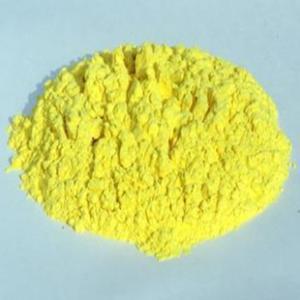
·Physical State: White to yellowish-white crystals or crystalline powder; odorless or slightly odorous, with a slightly bitter taste.
·Solubility: Slightly soluble in cold water, but easily soluble in hot water, hot ethanol, dilute hydrochloric acid, and alkaline hydroxide solutions.
·Stability: Discolors under prolonged light exposure. It is relatively stable when heated with acids in the dark but prone to decomposition when coexisting with other amino acids, sugars, or aldehydes.
2. Physiological Functions
L-tryptophan has various physiological functions in the body, including:
·Synthesis of serotonin and melatonin: Serotonin is a key neurotransmitter involved in regulating mood, sleep, and appetite. Melatonin primarily regulates circadian rhythms and sleep cycles.
·Synthesis of vitamin B3 (niacin): Essential for maintaining healthy skin, digestive system function, and normal nervous system operations.
·Promotion of neurological development: Plays an important role in the development of the nervous system in infants, helping to enhance cognitive abilities and intelligence.
3. Role in Infant Neurological Development
The infant stage is critical for nervous system development, and as an essential amino acid, l-tryptophan plays a pivotal role during this period:
·Promotes neural cell growth: L-tryptophan is a key precursor for the synthesis of neurotransmitters and neuroregulatory substances, aiding in the growth and differentiation of neural cells.
·Enhances cognitive abilities: By participating in neurotransmitter synthesis and regulation, l-tryptophan influences cognitive functions in infants, including attention, memory, and learning abilities.
·Improves mood and behavior: L-tryptophan can be converted into serotonin, which helps regulate infants' mood and behavior, reducing the occurrence of anxiety, depression, and other negative emotions.
4. Food Sources and Supplementation Recommendations
L-tryptophan is widely found in various foods, particularly high-protein foods such as milk, bananas, tofu, chicken, turkey, beef, pork, peanuts, and sesame seeds. Through a balanced diet, infants can obtain sufficient l-tryptophan to meet their daily needs.
For infants who require additional l-tryptophan supplementation, the following precautions should be observed under medical guidance:
·Moderate supplementation: Excessive intake of l-tryptophan may pose risks; therefore, dosage should be strictly controlled.
·Choose high-quality products: When selecting l-tryptophan supplements, pay attention to product quality standards to ensure purity and safety.
·Monitor physical responses: During l-tryptophan supplementation, carefully observe the infant’s physical reactions. If any adverse symptoms occur, seek medical attention promptly.
As an essential element for promoting infant neurological development, l-tryptophan should be emphasized in infant diets. Through a balanced diet and moderate supplementation, infants can obtain sufficient l-tryptophan to support healthy nervous system development.