-
Tel:15618093168
|
Email:2307176274@qq.com


L-Tryptophan is an essential amino acid. The following provides a detailed explanation:
I. Basic Information
·Chinese Name: L-色氨酸
·Abbreviation: Trp or W
·Other Names: β-Indolylalanine, L-Aminoindolepropionic Acid, 2-Amino-3-(3-indolyl)propionic Acid
·Classification: Essential Amino Acid, Aromatic Amino Acid, Ketogenic Amino Acid
·Chemical Formula: C₁₁H₁₂N₂O₂
·Molecular Weight: 204.23
·Melting Point: 281~282°C
·Density: 1.362 g/cm³
·pH at Room Temperature: 5.5~6.4 (10 g/L, H₂O, 20°C); Isoelectric Point (pH): 5.89
II. Physical Properties
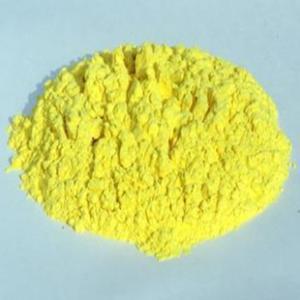
·Appearance: L-Tryptophan appears as white or slightly yellow crystalline flakes or powder, odorless, with a slightly bitter taste.
·Solubility: It is easily soluble in dilute acids and bases, stable in alkaline solutions but decomposes in strong acids. It is slightly soluble in ethanol and insoluble in chloroform and ether.
III. Biological Functions and Applications
·Role in Metabolism: L-Tryptophan is an indispensable amino acid for life processes and is essential for human and animal growth, development, and metabolism. It serves as a precursor for various biologically active substances, such as serotonin, pigments, niacin, indoleacetic acid, alkaloids, coenzymes, melatonin, and plant hormones.
·Pharmaceutical Applications: Derivatives of L-Tryptophan, such as serotonin, act as central nervous system neurotransmitters that regulate behavior. It also leads to melatonin production, which promotes sleep. Thus, it alleviates mental tension, improves sleep, and serves as a key ingredient in antidepressant and sleep aid medications, as well as a nutritional supplement for special needs.
·Cosmetic Industry: L-Tryptophan possesses antioxidant and anti-aging properties that enhance skin radiance and elasticity.
·Food and Feed Industry: L-Tryptophan is used as an additive to improve the utilization of plant proteins and promote animal growth. In animal feed, it is one of the three major amino acid additives, helping enhance feed intake, reduce stress responses, and improve sleep in animals.
IV. Dietary Sources
L-Tryptophan cannot be synthesized by the human body and must be obtained through diet. Foods rich in L-Tryptophan include hulled pumpkin seeds, soybeans, milk powder, venison, cheese, bacon, chicken wings, ham, white sesame seeds, and quail.
L-Tryptophan is an essential amino acid that performs various functions in the body and is widely used in the pharmaceutical, cosmetic, food, and feed industries.