-
Tel:15618093168
|
Email:2307176274@qq.com


The solubility characteristics of L-tryptophan are a key part of its physicochemical properties. Below is a detailed analysis of its solubility characteristics:
I. Overview of Solubility
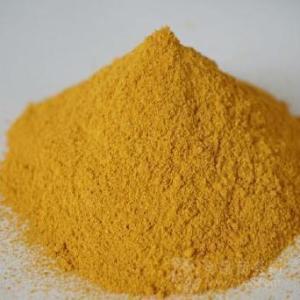
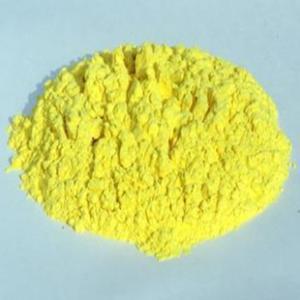
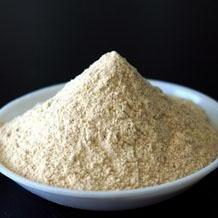
L-tryptophan is a white to yellowish-white crystalline or crystalline powder that is odorless or slightly odorous with a slightly bitter taste. It exhibits specific solubility characteristics closely related to its molecular structure and chemical properties.
II. Specific Solubility Characteristics
1. Solubility in Cold Water:
L-Tryptophan has relatively low solubility in cold water, classified as sparingly soluble. This means that at lower temperatures, the amount of L-tryptophan that dissolves in water is limited.
2. Solubility in Hot Water:
Compared to cold water, the solubility of L-tryptophan increases significantly in hot water. This is because higher temperatures accelerate the movement of water molecules, facilitating the diffusion and dissolution of L-tryptophan molecules.
3. Solubility in Organic Solvents:
·L-Tryptophan dissolves easily in hot ethanol, dilute hydrochloric acid, and alkaline hydroxide solutions, indicating strong interactions between L-tryptophan molecules and these solvents.
·Conversely, L-tryptophan is sparingly soluble in ethanol and nearly insoluble in nonpolar solvents such as chloroform and ether.
4. Solubility Under Acidic and Alkaline Conditions:
·L-Tryptophan is relatively stable and exhibits higher solubility in alkaline solutions. This may be because the amino group in the L-tryptophan molecule ionizes more readily under alkaline conditions, forming negatively charged ions that increase water solubility.
·Under strong acidic conditions, L-tryptophan may decompose, which can affect its solubility.
III. Factors Affecting Solubility
1. Temperature:
Temperature is a crucial factor influencing L-tryptophan's solubility. As temperature increases, the solubility of L-tryptophan in water also increases.
2. Solvent Properties:
The polarity, molecular structure, and chemical nature of the solvent affect the solubility of L-tryptophan. Polar solvents are generally more favorable for dissolving L-tryptophan.
3. pH Value:
L-Tryptophan exhibits higher solubility under alkaline conditions. However, its solubility may decrease or it may even decompose under strong acidic conditions.
V. Precautions in Applications
1. Solution Preparation:
When preparing an L-tryptophan solution, appropriate solvents and temperature conditions should be selected based on the desired concentration and solubility.
2. Storage Conditions:
L-Tryptophan may decompose or deteriorate under certain conditions. It should be stored in a dry, cool, and well-ventilated environment, avoiding prolonged exposure to light and high temperatures.
3. Safety:
When handling L-tryptophan, follow relevant safety protocols to avoid inhalation or ingestion. In case of accidental contact with skin or eyes, rinse immediately with plenty of water and seek medical attention if necessary.
The solubility characteristics of L-tryptophan are influenced by various factors, including temperature, solvent properties, and pH levels. Understanding these characteristics can aid in the proper preparation and use of L-tryptophan solutions in research and production, ensuring optimal effectiveness.