-
Tel:15618093168
|
Email:2307176274@qq.com


Storage Methods and Precautions for L-Tryptophan
I. Storage Methods
1. Packaging:
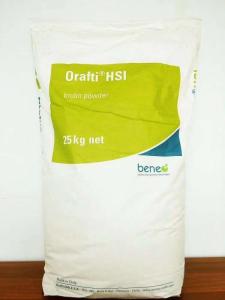
L-tryptophan is typically packaged in 25 kg drums but can be custom-packaged according to user requirements.
2. Environmental Conditions:
L-Tryptophan should be stored in a sealed, light-proof container in a cool, dry, ventilated area, free from pollutants and toxic or harmful substances. Prolonged exposure to light may cause discoloration. It should be stored at a temperature of 2–8°C, avoiding high temperatures and direct sunlight.
II. Precautions
1. Chemical Properties:
When heated with water, L-Tryptophan may produce trace amounts of indole. Under the presence of sodium hydroxide or copper sulfate, heating can result in a higher production of indole. It is relatively stable when heated with acids in the dark but tends to decompose easily when coexisting with other amino acids, sugars, or aldehydes.
2. Safe Handling:
Avoid direct contact with skin and eyes. In case of accidental contact, rinse thoroughly with plenty of water and seek medical assistance if necessary.
3. Toxicity and Carcinogenicity:
In experimental animals, L-Tryptophan has shown carcinogenic potential. While its carcinogenicity in humans remains uncertain, caution is advised during use. The oral tolerable dose for adults is 20–50 mg/kg. Exceeding this dose may lead to adverse reactions such as nausea, loss of appetite, and drowsiness.
4. Compatibility:
L-Tryptophan should not be used in conjunction with monoamine oxidase inhibitors (MAOIs) to avoid adverse reactions.
5. Management and Records:
The storage area for L-Tryptophan should ideally be equipped with air conditioning to maintain a cool, dry, light-proof, and well-ventilated environment. The recommended storage temperature is 25 ± 5°C, with a relative humidity of 50%–70%.
Standard reference samples should be kept in desiccators or other suitable containers, with each container labeled with a unique identification code to distinguish its storage location. Desiccators should be stored in designated cabinets, neatly arranged in order, and managed by a dedicated person.
The manager must check the temperature and humidity daily and keep a record. Any non-compliance with the specified requirements should be promptly adjusted and corrected.
To ensure the quality and stability of L-Tryptophan, it is crucial to strictly adhere to the above storage methods and precautions.