-
Tel:15618093168
|
Email:2307176274@qq.com


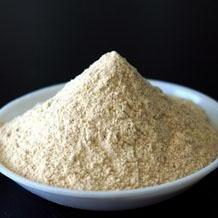
L-Tryptophan, one of the eight essential amino acids, holds significant application value in pharmaceuticals, food, and feed industries. Optimizing the fermentation process for L-tryptophan production is a complex undertaking that involves improvements and adjustments in multiple aspects. Below is a detailed discussion on the process optimization for fermentation-based production of L-tryptophan:
I. Engineering Strain Modification
Currently, engineered strains used in the biological fermentation of L-tryptophan are mainly Escherichia coli and Corynebacterium glutamicum, which are rationally modified using methods such as metabolic engineering and synthetic biology. Modification strategies include:
1. Enhancing Precursor Synthesis:
·L-Tryptophan synthesis involves a multi-step, complex intracellular pathway requiring numerous precursors. Enhancing the intracellular synthesis of precursors or limiting their consumption in other metabolic pathways is an effective method to improve L-tryptophan production. For example, optimizing precursor supply and cofactor balance has significantly increased the yield of L-tryptophan in E. coli.
2. Promoting DAHP Synthesis:
·Increasing the DAHP (3-deoxy-D-arabino-heptulosonate-7-phosphate) synthesis rate is key to boosting the carbon flux entering the common pathway and facilitating L-tryptophan accumulation.
3. Strengthening Enzyme Activity in the Common Pathway:
·Substances like SHIK (shikimate), EPSP (5-enolpyruvylshikimate-3-phosphate), and CHA (chorismate) are critical intermediates in the common pathway. Improving the production of PEP (phosphoenolpyruvate) and E4P (erythrose-4-phosphate) can enhance pathway efficiency.
4. Enhancing the L-Tryptophan Branch Pathway:
·Metabolic regulation can redirect as much CHA as possible toward the L-tryptophan pathway. This can be achieved by removing feedback inhibition and overexpressing the relevant enzymes in the L-tryptophan synthesis pathway.
5. Transport System Modification:
·Although the mechanism of L-tryptophan secretion remains unclear, modifications to the transport system focus on blocking uptake pathways, such as disrupting the mtr, tnaB, and aroP genes in E. coli.
II. Optimization of the Fermentation Process
1. Feeding Strategies:
·L-Glutamate and L-Glutamine Addition: Adding L-glutamate in the early fermentation phase increases both cell biomass and L-tryptophan yield. Supplementing L-glutamine (the amino donor for L-tryptophan synthesis) during the mid-fermentation phase further boosts cell biomass and L-tryptophan production.
·Glucose Feeding: A tailored glucose feeding strategy is critical for enhancing L-tryptophan yield. Advanced strategies, such as maintaining constant glucose concentrations or oxygen-feedback feeding, can further optimize glucose utilization.
2. Fermentation Conditions:
·Temperature: Maintaining fermentation temperatures within an optimal range, such as 33–37°C, supports cell growth and L-tryptophan synthesis.
·pH: Maintaining pH levels between 6.5–7.2 using ammonia water ensures normal metabolic activities and efficient L-tryptophan production.
·Dissolved Oxygen: Keeping dissolved oxygen levels between 10–50% ensures sufficient oxygen supply for cell metabolism, promoting L-tryptophan synthesis.
III. Optimization of Extraction Processes
Following fermentation, the broth undergoes extraction and purification to obtain the L-tryptophan product. Optimizing the extraction process improves yield and purity. Key steps include:
1. Ceramic Membrane Filtration:
·Ceramic membrane filtration removes cellular proteins and other impurities from the fermentation broth, collecting the filtrate for subsequent processing.
2. Chromatographic Separation:
·Chromatography is used to separate and purify L-tryptophan from the filtrate.
3. Decolorization:
·Adding decolorizing agents like activated carbon removes pigments and other impurities, enhancing L-tryptophan purity.
4. Evaporation and Concentration:
·Evaporating the decolorized filtrate removes water and impurities, further concentrating L-tryptophan.
5. Crystallization, Centrifugation, and Drying:
·Crystallization, followed by centrifugation and drying, yields the final L-tryptophan product.
The process optimization for fermentation-based L-tryptophan production involves engineering strain modifications, fermentation process improvements, and extraction process optimizations. Continuous refinement and optimization of these steps can increase L-tryptophan yield, purity, and production efficiency, meeting market demand and driving advancements in this field.