-
Tel:15618093168
|
Email:2307176274@qq.com
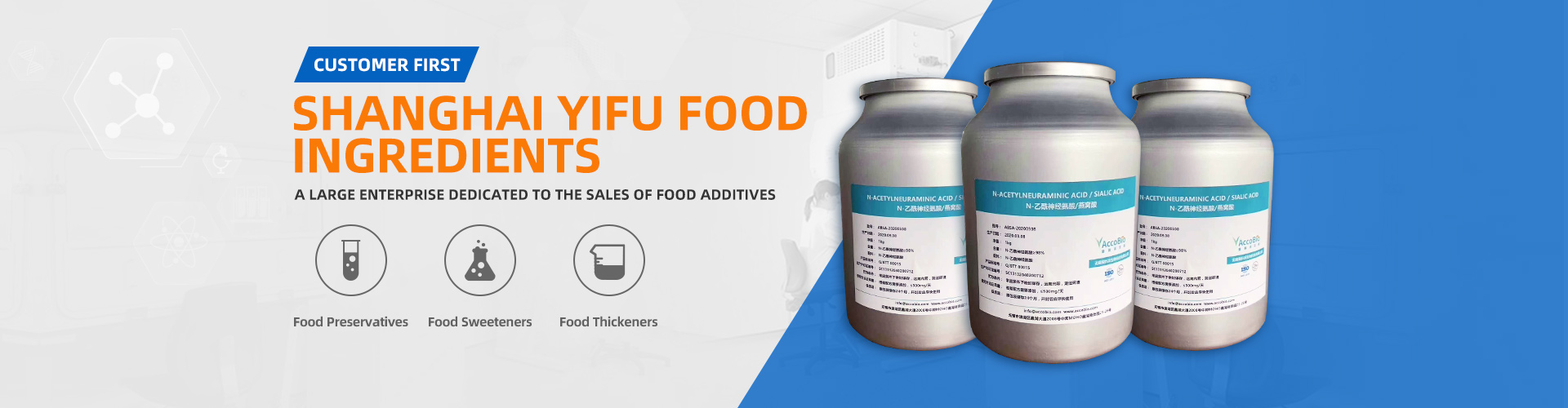


L-Threonine is an important food additive and plays multiple roles in the food industry, mainly including the following aspects:
I. Nutritional Fortification
L-Threonine is one of the essential amino acids for the human body. Its content is relatively low in plant proteins such as grains. Adding L-threonine to foods can enhance the nutritional value of the foods, balance the amino acid composition in the foods, and improve the biological utilization rate of proteins, thus meeting the human body's demand for threonine. Especially for people who mainly take plant proteins as their protein source, such as vegetarians, athletes, and the elderly, supplementing L-threonine helps maintain the normal physiological functions of the body and promotes growth, development, and metabolism.
II. Flavor Improvement
L-Threonine has a certain degree of sweetness. Adding an appropriate amount of L-threonine to foods can improve the flavor and taste of the foods. In some low-sweetness or sugar-free foods, it can serve as a flavor regulator, providing a mild sweetness and enhancing the overall flavor of the foods, making them more in line with consumers' taste preferences.
L-Threonine can also undergo the Maillard reaction with other components in the foods, generating unique aromas and colors. In fields such as baked goods and meat processing, it helps to form the unique flavor and attractive color of the products, improving the quality and sensory characteristics of the foods.
III. Preservation and Antiseptic Effects
L-Threonine can participate in some chemical reactions in foods, regulating the pH value or redox potential of the foods, etc., thereby inhibiting the growth and reproduction of microorganisms and prolonging the shelf life of the foods. For example, in some acidic beverages or fermented foods, it can act synergistically with other acidic substances to lower the pH value of the system, creating an environment that is unfavorable for the survival of microorganisms and playing a role in preservation and antiseptic.
In addition, L-Threonine can react with the oxygen in the foods, consuming the oxygen and reducing the occurrence of oxidation reactions. This prevents the oxidative rancidity of fats and oils in the foods and the oxidative destruction of vitamins, etc., maintaining the freshness and stability of the foods.
IV. Other Functions
In dairy products, L-Threonine helps to promote the growth and reproduction of beneficial bacteria such as lactic acid bacteria, regulate the balance of the intestinal microecology, enhance the human body's digestion and absorption functions, and improve the nutritional value and health benefits of dairy products.
In infant formula foods, L-Threonine is one of the important nutritional components. It can meet the demand for amino acids during the rapid growth and development of infants, contributing to the healthy development of their intelligence and body.