-
Tel:15618093168
|
Email:2307176274@qq.com

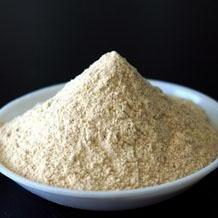
L-threonine exerts its effects in sewage treatment mainly through the following mechanisms:
·Promoting Microbial Growth and Metabolism: L-threonine is one of the essential nutrients for microbial growth. It can provide nitrogen and carbon sources for microorganisms and participate in the synthesis of biological macromolecules such as proteins and enzymes within microbial cells. In sewage treatment, adding L-threonine can stimulate the growth and reproduction of microorganisms in the activated sludge, increasing the number and activity of microorganisms. This, in turn, enhances the ability of microorganisms to decompose and transform organic pollutants in the sewage. For example, it can promote the growth of heterotrophic bacteria, which can utilize the organic matter in the sewage as a carbon source and energy source, decomposing it into harmless substances such as carbon dioxide and water.
·Enhancing Microbial Enzyme Activity: L-threonine participates in the metabolic processes within microbial cells and can affect the activity of some key enzymes. For instance, it may bind to the active centers of certain enzymes or participate in the synthesis and modification processes of enzymes, thereby increasing the catalytic efficiency of the enzymes. In sewage treatment, the improvement of enzyme activities related to organic matter degradation, nitrogen and phosphorus removal, etc., helps to accelerate the removal rate of pollutants in the sewage. For example, it can enhance the activity of proteases, enabling microorganisms to better decompose proteinaceous organic matter in the sewage. It can also increase the activity of ammonia monooxygenase in nitrifying bacteria, promoting the nitrification of ammonia nitrogen and converting ammonia nitrogen into nitrite and nitrate, thus achieving the denitrification treatment of sewage.
·Improving Sludge Performance: L-threonine can influence the structure and performance of activated sludge. It can promote microorganisms to secrete extracellular polymeric substances (EPS). EPS can aggregate microbial cells together to form a floc structure with good sedimentation performance. This floc structure can effectively intercept and adsorb suspended particles and organic matter in the sewage, improving the sedimentation performance and separation effect of the sludge, which is beneficial for the subsequent solid-liquid separation process and makes the treated effluent clearer. At the same time, EPS can also protect microbial cells from the adverse effects of the external environment and enhance the impact resistance of microorganisms.
·Participating in the Biological Denitrification Process: In the biological denitrification process of sewage treatment, L-threonine can serve as a nitrogen source for microorganisms and provide nitrogen nutrition for denitrifying bacteria. Under anoxic conditions, denitrifying bacteria use the nitrogen in it and the organic matter in the sewage as a carbon source and energy source to reduce nitrate and nitrite to nitrogen gas, thus achieving the removal of nitrogen in the sewage. In addition, it may also promote the smooth progress of the denitrification process and improve the denitrification efficiency by influencing the metabolic pathways and enzyme activities of denitrifying bacteria.