-
Tel:15618093168
|
Email:2307176274@qq.com



L-Threonine is one of the essential amino acids for the human body and plays a significant role in physiological functions. Below is a detailed analysis of it:
1. Basic Information
Chemical Structure: The chemical name of L-threonine is L-2-amino-3-hydroxybutyric acid. Its molecular formula is C₄H₉NO₃, and its molecular weight is 119.12. It has one chiral center, existing in two isomeric forms: L-type and D-type. Only the L-type isomer is biologically active and is one of the 20 common amino acids that constitute proteins.
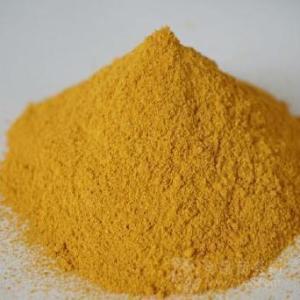
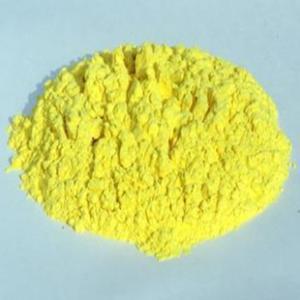
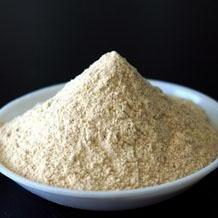
Physicochemical Properties: L-threonine appears as colorless to yellow crystals or crystalline powder, odorless, with a slightly sweet taste. It is highly soluble in water, slightly soluble in ethanol, and insoluble in ether. It undergoes chemical reactions under both acidic and alkaline conditions, with an isoelectric point of 5.6.
2. Physiological Functions
Protein Synthesis: As a component of proteins, L-threonine participates in the synthesis of various proteins in the body. It is essential for maintaining cell structure and function, growth and development, tissue repair, and other physiological processes. For example, the renewal and repair of muscle proteins require sufficient L-threonine.
Immune Regulation: L-threonine is crucial for maintaining immune function in animals and humans. It promotes antibody synthesis, enhances immune response, and helps the body resist infections and diseases. A deficiency in L-threonine may lead to a reduction in immune cell count, decreased levels of immunoglobulins, and increased susceptibility to pathogens.
Fat Metabolism: L-threonine plays a role in fat metabolism by promoting the transport and metabolism of fats in the liver, reducing fat deposition, and helping prevent diseases such as fatty liver. It may also influence overall fat metabolism balance by regulating fatty acid oxidation and synthesis.
Neurotransmitter Synthesis: L-threonine serves as a precursor for certain neurotransmitters, participating in their synthesis and metabolism. For instance, it can be converted into glycine, a neurotransmitter that plays a vital role in signal transmission within the nervous system. This is important for maintaining normal nervous system functions such as mood regulation, cognition, and sleep.
3. Sources and Supplementation
Dietary Sources: L-threonine is primarily found in animal-based foods such as milk, eggs, meat, and fish. These protein-rich foods contain high levels of L-threonine with good bioavailability. Plant-based sources like beans, oats, and wheat also contain L-threonine, but in lower amounts and with relatively lower bioavailability.
Nutritional Supplements: In certain situations, such as for vegetarians, athletes, the elderly, or individuals with specific health conditions, supplementation with L-threonine may be necessary to meet bodily requirements. Various nutritional supplements containing L-threonine are available on the market, including tablets, capsules, and powders. It is important to follow the advice of a doctor or nutritionist regarding dosage and usage.
4. Effects of Deficiency and Excess
Deficiency Effects: A deficiency in L-threonine may lead to symptoms such as growth retardation, weight loss, loss of appetite, weakened immune function, and skin issues. In children, a deficiency can impair physical and intellectual development, while in adults, it may cause fatigue, anemia, and increased susceptibility to infections.
Excess Risks: Generally, excessive intake of L-threonine through diet is unlikely. However, long-term overconsumption of supplements may cause adverse effects such as nausea, vomiting, diarrhea, and other gastrointestinal symptoms. It may also interfere with the absorption and metabolism of other amino acids, leading to metabolic imbalances.