-
Tel:15618093168
|
Email:2307176274@qq.com


L-proline is an amino acid, and the following are usually the methods and precautions for its transportation:
I. Transportation Methods
1. Packaging Requirements
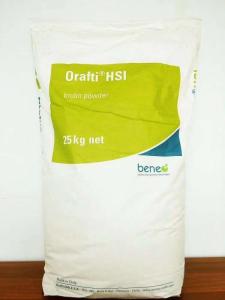
Generally, it is packaged in a sealed manner. Common packaging forms include inner packaging such as plastic bags, paper bags, and aluminum foil bags, which are then placed in outer packaging such as cartons or plastic drums. For large-scale transportation, ton bags are also used for packaging to ensure that the packaging is intact and can effectively prevent product leakage, moisture absorption, and contamination.
2. Modes of Transportation
Road Transportation: It is a commonly used mode of transportation, suitable for medium and short-distance transportation. Closed trucks should be used, and it is necessary to ensure that the truck compartments are clean and dry, and avoid mixed loading with substances that have peculiar smells, are toxic, harmful, or corrosive.
Railway Transportation: It is suitable for long-distance and large-scale transportation. Container transportation can be adopted, which can well protect the goods from the influence of the external environment and ensure the stability during the transportation process.
Air Transportation: For some urgent or high-value goods, air transportation is a quick option. However, it is necessary to pay attention to the regulations of airlines regarding the packaging and weight of goods. Generally, lightweight packaging that meets aviation safety standards is required.
II. Precautions
Preventing Moisture Absorption: L-proline is hygroscopic and is prone to caking and deterioration after absorbing moisture. During transportation, the goods should be kept away from water or humid air. If transporting in a humid environment, moisture-proof measures should be taken, such as placing desiccants inside the packaging and using moisture-proof mats in the truck compartments or containers.
Avoiding High Temperatures and Sun Exposure: High temperatures and sun exposure may cause changes in the properties of L-proline and affect its quality. During transportation, the goods should be kept away from high-temperature environments as much as possible, and transportation should be carried out during cool time periods. For example, in the hot summer, driving can be arranged during the early morning or late evening when the temperature is relatively low. If using a warehouse for temporary storage, the warehouse should also be kept ventilated and cool.
Isolation from Harmful Substances: L-proline is a food additive or a raw material used in the pharmaceutical and other fields and should not be transported mixed with toxic, harmful, corrosive, or odorous substances to avoid contamination. For example, it cannot be placed in the same truck compartment or container as pesticides, fertilizers, and chemical raw materials.
Attention during Loading, Unloading, and Handling: During loading and unloading, the goods should be handled gently to avoid rough handling and prevent packaging damage. Appropriate loading and unloading equipment, such as forklifts and cranes, should be used, and care should be taken to ensure stability during the operation to avoid the goods falling or colliding.
Complying with Relevant Regulations: The transportation of L-proline requires compliance with relevant national and regional regulations and standards for the transportation of hazardous chemicals, food additives, or pharmaceutical raw materials. Ensure that the transportation vehicles and personnel have the corresponding qualifications and permits and transport according to the specified routes and time.