-
Tel:15618093168
|
Email:2307176274@qq.com


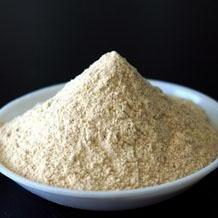
L-Arginine serves as a central hub in amino acid metabolic networks, with cross-regulatory roles in multiple pathways such as the urea cycle, nitric oxide (NO) synthesis, and polyamine biosynthesis. It links nitrogen metabolism, energy metabolism, and cellular signaling, and its metabolic balance directly influences physiological functions and disease pathogenesis.
I. Core Metabolic Pathways of L-Arginine and Their Cross-Associations
L-Arginine metabolism is primarily driven by enzyme-catalyzed shunting, forming an interconnected network of pathways. Key pathways and their associations are as follows:
1. Urea Cycle: Core Nitrogen Metabolism Pathway
Key Process: L-arginine is catalyzed by arginases (ARG1/ARG2) to produce ornithine and urea. Urea is excreted via the kidneys, completing ammonia detoxification (predominantly in the liver).
Cross-Associations: The resulting ornithine acts as a precursor for polyamine synthesis and can be converted to glutamate semialdehyde via ornithine transaminase, feeding into proline and glutamate metabolic pathways to link with non-essential amino acid synthesis.
2. NO Synthesis Pathway: Signal Molecule Production
Key Process: Catalyzed by nitric oxide synthases (eNOS/iNOS/nNOS), L-arginine reacts with oxygen and NADPH to generate NO and citrulline.
Cross-Associations: Citrulline is recycled back to L-arginine in renal and intestinal epithelial cells via the "arginine-citrulline cycle" (requiring aspartate and ATP), enabling L-arginine reuse. Additionally, NO, as a signaling molecule, regulates the activity of key urea cycle enzymes (e.g., carbamoyl phosphate synthetase I), exerting feedback effects on nitrogen metabolism.
3. Polyamine Synthesis Pathway: Cell Proliferation Regulation
Key Process: L-arginine is decarboxylated by arginine decarboxylase (ADC) to form putrescine, which is further converted to spermidine and spermine (polyamines).
Cross-Associations: Polyamine synthesis and NO synthesis share L-arginine as a substrate, creating competitive inhibition (e.g., iNOS activation increases NO production, suppressing polyamine synthesis). Polyamines also regulate the synthesis of amino acid metabolism-related enzymes via ribosomal function, forming feedback loops.
4. Other Cross-Pathways
Glutamate/Proline Metabolism: L-arginine oxidative decomposition produces glutamate, which either enters the tricarboxylic acid (TCA) cycle for energy production or converts to proline and ornithine, replenishing the non-essential amino acid pool.
Creatine Synthesis Pathway: In the kidneys and liver, L-arginine reacts with glycine and methionine to form creatine. Phosphorylated creatine acts as an energy reserve (e.g., in muscle tissue), linking energy metabolism with amino acid metabolism.
II. Core Mechanisms of Cross-Regulation
1. Substrate Competition and Allocation
As a shared substrate across pathways, L-arginine metabolism is directed by key enzyme activity:
Physiological State: In the liver, dominant ARG1 activity channels L-arginine primarily into the urea cycle; in vascular endothelium, activated eNOS prioritizes shunting to NO synthesis, maintaining vasodilation.
Pathological State (e.g., inflammation, infection): Upregulated iNOS expression sequesters L-arginine for NO production, inhibiting the urea cycle and polyamine synthesis, leading to nitrogen metabolic disorders and abnormal cell proliferation.
2. Mutual Regulation of Enzyme Activity
Transcriptional Regulation: NO inhibits ARG1 gene expression, while polyamines promote eNOS transcription, forming reciprocal pathway regulation.
Post-Translational Modification: Polyamines enhance ADC activity via acetylation, while NO suppresses arginase activity through S-nitrosylation, further directing metabolic flux.
3. Feedback Effects of Metabolites
Ammonia from the urea cycle inhibits eNOS activity, reducing NO synthesis.
Polyamine accumulation feedback-inhibits ADC and promotes ARG1 activity, redirecting L-arginine to the urea cycle to maintain metabolic balance.
NO activates cGMP signaling to regulate creatine synthase activity, influencing crosstalk between energy and amino acid metabolism.
III. Metabolic Network Imbalance and Disease Associations
Dysregulation of the L-arginine cross-metabolic network contributes to multiple diseases:
Cardiovascular Diseases: Reduced eNOS activity (impaired NO synthesis) combined with enhanced ARG1 activity (increased shunting to the urea cycle) causes pulmonary vasoconstriction (pulmonary arterial hypertension), endothelial dysfunction (hypertension, atherosclerosis).
Cancer: Tumor cells overexpress polyamine synthases, depleting L-arginine to fuel proliferation while inhibiting iNOS (reducing NO to evade immune surveillance), forming a "polyamine-dominant metabolism" phenotype.
Liver Diseases: Decreased hepatic ARG1 activity in cirrhosis impairs the urea cycle, causing ammonia accumulation, while excess L-arginine may drive excessive NO production, leading to vasodilation (e.g., hepatic encephalopathy).
Metabolic Syndrome: Insulin promotes coordinated eNOS and ARG1 activity to maintain L-arginine balance. Insulin resistance disrupts this regulation, reducing NO synthesis and perturbing nitrogen metabolism, exacerbating obesity and diabetic complications.
IV. Intervention and Application Directions for Regulatory Networks
1. Targeted Enzyme Activity Regulation
Activate eNOS or inhibit ARG1: To improve endothelial dysfunction (e.g., pulmonary arterial hypertension, hypertension) and enhance NO production.
Inhibit polyamine synthases (e.g., ADC inhibitors): For cancer therapy, blocking polyamine supply required for tumor proliferation.
Supplement arginase inhibitors: During infection/inflammation, reduce L-arginine shunting to the urea cycle, ensuring NO synthesis and enhancing immune cell bactericidal activity.
2. Nutritional Intervention and Formulation Optimization
Precision L-arginine supplementation: To regulate substrate supply and balance pathway metabolism in metabolic disorders (e.g., nitrogen imbalance in chronic kidney disease).
Co-supplementation with synergistic amino acids: Pairing with citrulline (promotes L-arginine regeneration) or glycine (enhances creatine synthesis) to optimize metabolic flux.
Targeted formulation development: Lung-vascular targeted sustained-release L-arginine preparations to boost local NO synthesis in pulmonary hypertension while minimizing systemic metabolic interference.