-
Tel:15618093168
|
Email:2307176274@qq.com


L-proline, a natural amino acid, requires protection against physical changes (e.g., moisture absorption, caking) and chemical alterations (e.g., oxidation, degradation) during storage. The specific storage conditions are as follows:
1. Basic Storage Environment Requirements
Temperature Control
Routine Storage: Store in a cool, dry place at 2–30°C to avoid high temperatures that accelerate amino acid degradation or cause deliquescence.
Long-Term Storage (>6 months): Use a refrigerated environment (2–8°C) to reduce molecular activity and extend shelf life.
Humidity Control
L-proline is hygroscopic and must be sealed in dry containers (e.g., glass bottles, aluminum foil bags) to prevent exposure to moist air.
Maintain a relative humidity (RH) ≤60% in the storage environment. Use desiccants (e.g., silica gel) inside containers to prevent caking or mold growth.
Light and Air Protection
Light Avoidance: UV light may induce amino acid oxidation or alter optical activity. Store in light-impermeable containers or shaded areas.
Airtight Packaging: Use sealed bags or vacuum packaging to minimize oxygen contact, preventing amino group oxidation or Maillard reactions (when co-existing with reducing sugars).
2. Packaging and Container Requirements
Packaging Materials
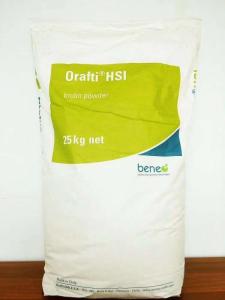
Prioritize food-grade or pharmaceutical-grade materials (e.g., polyethylene plastic bags, aluminum foil bags) to ensure no harmful substance migration.
Industrial-grade products may use cardboard drums or plastic barrels with inner plastic linings for airtightness.
Labeling and Identification
Clearly mark packaging with product name, batch number, production date, storage conditions, and warning labels (e.g., "moisture-proof," "light-proof") for traceability and management.
3. Special Scenario Storage Precautions
Industrial Production Scenarios
For large-scale production (e.g., feed, food additives), store in well-ventilated warehouses away from fire sources, oxidants (e.g., strong acids/bases), and avoid mixed storage that may trigger chemical reactions.
Maintain a distance of ≥10 cm from the floor and walls to prevent moisture absorption or contamination.
Laboratory Scenarios
Analytical reagent-grade L-proline is recommended for storage in desiccators; freezing (-20°C) is optional for humidity-sensitive experiments (e.g., peptide synthesis precursors).
Re-seal containers immediately after use to prevent moisture absorption from frequent opening.
Food and Pharmaceutical Storage
For food additives or pharmaceutical raw materials, comply with National Food Safety Standards (GB) or Good Manufacturing Practice (GMP). Regularly clean and disinfect storage environments to prevent microbial contamination.
4. Shelf Life and Quality Monitoring
Shelf Life: Under proper storage conditions, L-proline typically has a shelf life of 2–3 years (subject to manufacturer specifications).
Regular Inspections: Periodically check for packaging integrity, caking, discoloration, or off-odors during storage. Discard immediately if anomalies (e.g., deliquescence, rancidity) are detected.
Conclusion: The core principles for L-proline storage are temperature control, humidity reduction, light/air isolation, and airtight packaging, which collectively maintain its chemical stability and biological activity. Always follow standards specific to the application (food, pharmaceuticals, industry) to ensure product quality and safety.