-
Tel:15618093168
|
Email:2307176274@qq.com



DL-Alanine exhibits remarkable flavor-enhancing effects and chemical properties, making it valuable in the fields of food seasoning and chemistry. Below is a detailed explanation:
I. Flavor-Enhancing Effects
1. Enhancing Umami:
DL-Alanine enhances the flavor of chemical seasonings, particularly nucleotide-based flavorings. Adding approximately 3 to 5 times its amount can significantly boost the umami taste of foods.
2. Improving Sweetness:
DL-Alanine has a unique sweetness that surpasses that of sucrose and is 1.6 times sweeter than glycine. It serves as a potential sweetening source in foods and can interact with artificial sweeteners to improve their taste perception, mask off-flavors, and enhance overall palatability.
3. Optimizing Acidity:
DL-Alanine can smoothen the sharpness of organic acids such as acetic acid, succinic acid, fumaric acid, citric acid, and tartaric acid, creating a milder and more balanced acidic profile.
4. Enhancing Pickling Effects:
In pickled products like salted vegetables, dl-alanine enhances material permeability, accelerating the penetration of seasonings into pickled ingredients. This shortens pickling time and improves flavor.
5. Improving Vinegar and Beverage Flavor:
DL-Alanine is used to refine the flavor of vinegar and enhance the quality of alcoholic beverages. It imparts a mellow taste to wines, prevents the aging of sparkling beverages, and reduces yeast odors.
II. Chemical Properties
1. Physical Properties:
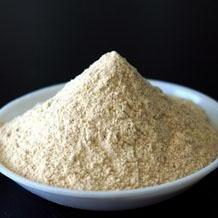
DL-Alanine is a white crystalline powder at room temperature and pressure. It is easily soluble in hot water, soluble in water, slightly soluble in ethanol, and insoluble in ether or acetone. It has a high melting point, ranging between 272–296°C, and sublimates at 258°C.
2. Chemical Stability:
DL-Alanine is chemically stable and can convert to L-lactic acid when exposed to nitrous acid. In biological systems, DL-Alanine is linked to carbohydrate metabolism and is an essential bioactive compound.
3. Acid-Base Properties:
DL-Alanine has acidity constants (pKa) of 2.35 and 9.87 (at 25°C), indicating its dual acid-base characteristics.
4. Reactivity:
DL-Alanine can be used to synthesize important intermediates for pesticides and pharmaceuticals. It also serves as a biochemical reagent for fundamental biochemical research.
DL-Alanine not only exhibits outstanding flavor-enhancing effects by amplifying umami, sweetness, and acidity while improving pickled foods and beverage flavors, but it also possesses unique chemical properties such as high melting point, chemical stability, acid-base behavior, and reactivity. These features and benefits make it highly applicable in food processing, pharmaceutical industries, and other fields.