-
Tel:15618093168
|
Email:2307176274@qq.com


There are differences in application scenarios and quality requirements between industrial-grade and food-grade/pharmaceutical-grade L-proline, which lead to variations in their packaging materials, as detailed below:
1. Packaging Materials for Industrial-Grade L-Proline
Characteristics
Industrial-grade L-proline is primarily used in industrial production fields such as feed and fertilizer additives. It has relatively lower requirements for purity and safety compared to food-grade and pharmaceutical-grade products but is more sensitive to costs.
Common Packaging Materials
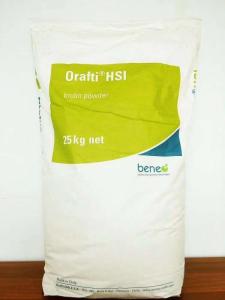
Plastic Woven Bags
Features: These are common industrial packaging materials with low cost, high strength, and good moisture resistance. They are typically lined with a plastic film to prevent L-proline from moisture and contamination. Plastic woven bags can withstand heavy weights and pressure, making them suitable for protecting products during industrial transportation and storage.
Cardboard Drums
Features: Some industrial-grade L-proline is packaged in cardboard drums, which are made of multi-layered cardboard with certain strength and moisture resistance. To enhance moisture protection, the inner layer of the cardboard drum may be coated with a plastic film. Cardboard drums are relatively low-cost and easy to print with labels, suitable for bulk packaging and transportation of industrial products.
2. Packaging Materials for Food-Grade/Pharmaceutical-Grade L-Proline
Characteristics
Food-grade and pharmaceutical-grade L-proline are directly used in food and pharmaceutical fields, with extremely high requirements for purity, safety, and hygiene. Packaging materials must comply with relevant food safety and pharmaceutical packaging standards to ensure no product contamination.
Common Packaging Materials
Aluminum Foil Composite Bags
Features: Aluminum foil has excellent barrier properties, effectively blocking external factors such as oxygen, moisture, and light to prevent product oxidation, moisture absorption, and deterioration. Meanwhile, aluminum foil composite bags can be printed with detailed product information and labels for traceability and management. This packaging material is widely used for small packages of food-grade and pharmaceutical-grade L-proline, such as raw material procurement by pharmaceutical companies or additive use in food production enterprises.
Glass Bottles
Features: Glass has good chemical stability and does not react with L-proline. It is transparent for easy observation of the product’s appearance and condition. Glass bottles are usually equipped with rubber stoppers or plastic lids to ensure airtightness. In the pharmaceutical field, glass bottles may be used for high-purity, high-value-added L-proline products to guarantee quality and safety.
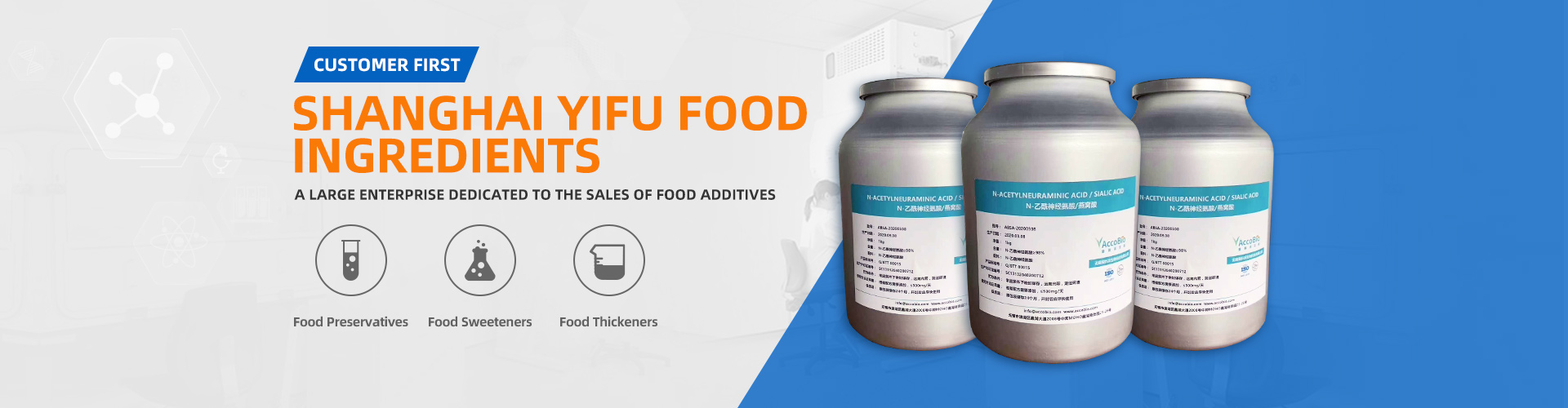
Stainless Steel Containers
Features: In large-scale food or pharmaceutical production, stainless steel containers may be used for temporary storage and transportation of L-proline. Stainless steel has excellent corrosion resistance and strength to ensure safe storage and transportation of products. Additionally, stainless steel containers are easy to clean and disinfect, meeting the hygiene requirements of the food and pharmaceutical industries.
Conclusion: The choice of packaging materials for L-proline is determined by its application grade. Industrial-grade products prioritize cost-effectiveness and basic protection, while food-grade and pharmaceutical-grade products focus on safety, hygiene, and barrier properties. This differentiation ensures that L-proline meets quality standards across different industries, from industrial production to food and pharmaceutical applications.