-
Tel:15618093168
|
Email:2307176274@qq.com


DL-Alanine is one of the key raw materials for manufacturing vitamin B6. Vitamin B6 is a water-soluble vitamin that plays a crucial role in human growth and development, the nervous system, the immune system, and metabolic functions. Through chemical synthesis or microbial fermentation, dl-alanine can be used to produce vitamin B6, making it a critical step in the industrial production of vitamin B6.
DL-Alanine also has significant applications in the metabolism of amino acids in medical microbiology and biochemistry. As a source of amino acids, it participates in protein synthesis, energy metabolism, and immune regulation in the human body. Additionally, dl-alanine can serve as a pharmaceutical raw material for producing antibiotics, heparin, and other drugs, providing more treatment options in the medical field.
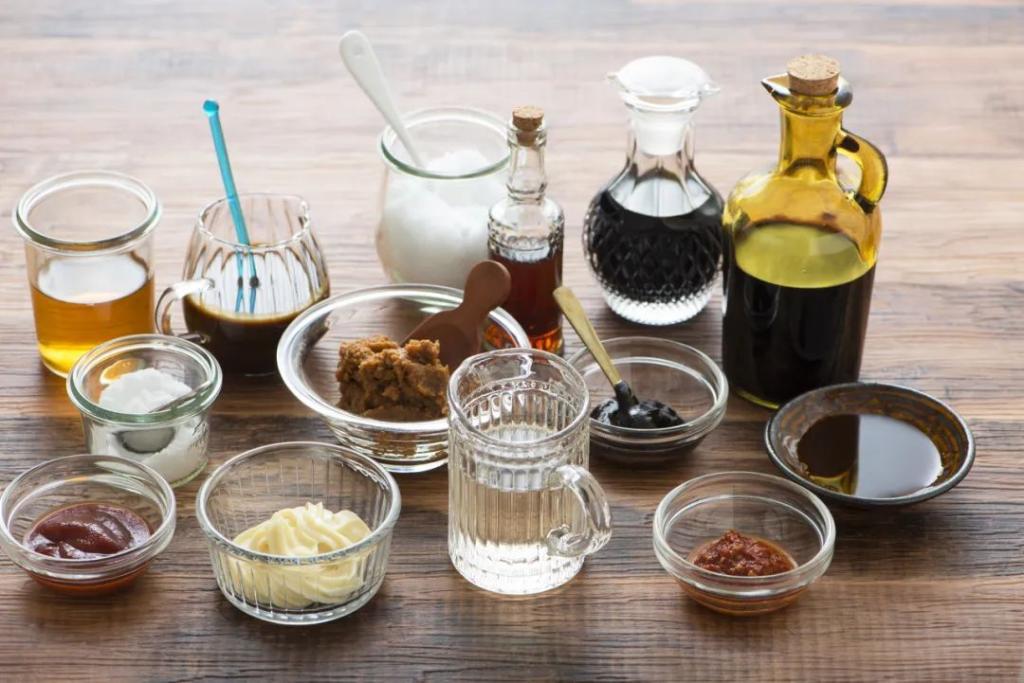
DL-Alanine has excellent flavor-enhancing properties. It can improve the taste of chemical seasonings, enhance the palatability of food, and add a unique sweetness. It can also improve the flavor of artificial sweeteners and reduce the acidity of organic acids, enhancing the taste of vinegar. As a result, DL-alanine is widely used in the food industry as a nutritional supplement and flavor enhancer, adding both nutrition and flavor to food products.
Specific Applications in the Pharmaceutical and Health Industries
·Synthesis of Other Drugs: DL-Alanine is an essential intermediate in synthesizing certain pesticides and pharmaceuticals, including antibacterial agents like ofloxacin, antihypertensive drugs like enalapril, and new hepatitis C treatments like sofosbuvir.
·Preparation of Amino Acid Injections: As a nutritional enhancer or supplement, dl-alanine can be used to prepare amino acid injections, providing nutritional support to patients in need.
Currently, the market supply of dl-alanine is relatively abundant, though prices may vary among different companies. With the increasing public focus on health and nutrition, the market demand for DL-alanine is expected to grow steadily. DL-Alanine has broad application prospects and significant value in the pharmaceutical field. Beyond being a raw material for vitamin B6 production, it plays a role in amino acid metabolism in medical microbiology and biochemistry. Simultaneously, it is widely applied as a nutritional supplement and flavor enhancer in the food industry.