-
Tel:15618093168
|
Email:2307176274@qq.com


DL-Alanine, as an important amino acid derivative, exhibits unique application value across multiple fields. Below is a detailed introduction:
Ⅰ.Basic Properties
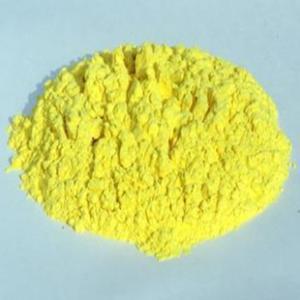
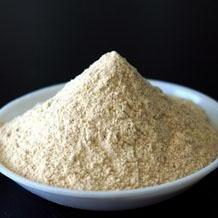
·Appearance: At standard temperature and pressure, dl-alanine appears as a white crystalline solid powder, sometimes described as a colorless to white crystalline powder.
·Solubility: It is highly soluble in water, with increased solubility in hot water, slightly soluble in ethanol, and insoluble in ether or acetone.
·Taste: DL-alanine has a distinctive sweet taste, being 1.6 times sweeter than glycine and recognized as the sweetest amino acid.
·Physical Properties: It has a melting point of 296–300°C, sublimates at 258°C, and decomposes at 295–296°C.
Ⅱ.Applications
1.Food Industry
·Food Additive: DL-alanine can be used as a flavor enhancer to improve the umami and aroma of foods. Its unique sweetness can be used alone or combined with monosodium glutamate to create compound seasonings. Additionally, it can enhance the taste profile of artificial sweeteners by mitigating or masking their potential bitterness or undesirable flavors.
·Nutritional Supplement: As an amino acid-based nutrient, DL-alanine is utilized to enhance the nutritional value of foods.
·Pickling Additive: In the pickling process of foods like salted vegetables and sweet sauces, DL-alanine improves substance penetration, accelerating the infusion of seasonings into pickled ingredients, thus reducing pickling time and enhancing overall flavor.
2.Pharmaceutical and Biochemical Fields
·Pharmaceutical Intermediate: DL-alanine is a key raw material for manufacturing certain drugs and vitamins, such as vitamin B6.
·Biochemical Reagent: It is also used as a biochemical reagent in basic biochemical research, as well as in studies related to medical microbiology, biochemical amino acid metabolism, and more.
3.Fine Chemical Production
In fine chemical production, DL-alanine has wide-ranging applications, including its use as a raw material for synthesizing feed additives and other products.
Ⅲ.Preparation and Synthesis
DL-alanine can be synthesized using various methods. One typical method involves the reaction of acetaldehyde with hydrogen cyanide to produce cyanohydrin, which is then reacted with ammonia to form aminonitrile. This intermediate undergoes alkaline hydrolysis to yield sodium aminopropionate, which is finally converted to DL-alanine via ion exchange.
Ⅳ.Precautions
When handling DL-alanine, the following precautions should be taken:
·Avoid contact with skin and eyes to prevent irritation or harm.
·In food applications, adherence to food safety regulations and relevant standards is essential. Ensure its use is within appropriate concentration limits and undergoes rigorous testing and approval procedures.
DL-alanine, as a significant amino acid derivative, holds extensive application potential in the food industry, pharmaceutical and biochemical fields, and fine chemical production.