-
Tel:15618093168
|
Email:2307176274@qq.com


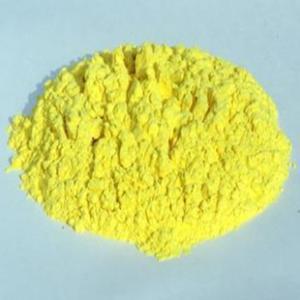
DL-Alanine is a colorless to white crystalline powder, appearing as white rhombic, needle-like, or rod-shaped crystals. It has a high melting point of 272°C to 275°C, sublimates at 258°C, and decomposes at 295°C to 296°C. It is easily soluble in hot water, soluble in water, slightly soluble in ethanol, but insoluble in ether and acetone.
As an amino acid, dl-alanine exhibits the general chemical properties of amino acids, such as reacting with acids and bases to form corresponding salts. It also has a certain level of antioxidant activity, making it useful in preventing oxidation and enhancing flavor in various food processing applications.
Flavor-Enhancing Properties of DL-Alanine
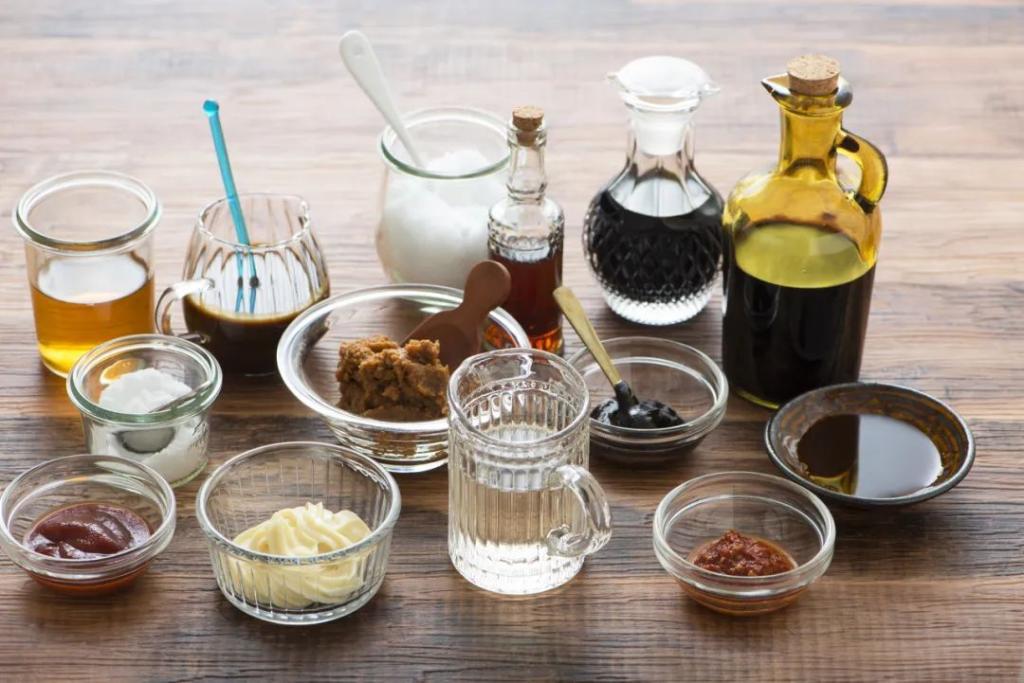
·Enhancing Umami: DL-alanine has a good umami taste that can enhance the flavor profile of chemical seasonings, making food taste more savory.
·Improving Sweetness: DL-alanine has a unique sweetness that improves the taste of artificial sweeteners. It helps mask or reduce the bitterness and other undesirable aftertastes of some artificial sweeteners, enhancing the quality of sweetness in foods.
·Optimizing Acidity: DL-alanine can improve the sourness of organic acids, refining the flavor of vinegar and making the acidity of foods softer and more balanced.
·Shortening Pickling Time: In the pickling process for preserved vegetables and other foods, dl-alanine enhances the permeability of substances, accelerating the penetration of seasonings into the pickled ingredients. This reduces the pickling time and improves the flavor of the food.
·Preventing Aging in Sparkling Beverages: DL-alanine can be used as an acidity corrector and buffer in synthetic sake and refreshing drinks. It effectively prevents the aging of sparkling beverages, reduces yeast odors, and improves the taste and quality of alcoholic beverages.
Thanks to its unique flavor-enhancing properties and chemical characteristics, dl-alanine has broad application prospects in food processing, seasoning production, and pharmaceutical intermediates. When used, it must strictly comply with food safety regulations and relevant standards. Its use should be within appropriate concentrations, subjected to rigorous testing, and approved through proper procedures.