-
Tel:15618093168
|
Email:2307176274@qq.com




Chinese L-Cysteine hydrochloride monohydrate Manufacturer-yffoodingredients
——————
L-Cysteine Hydrochloride Monohydrate is an important sulfur-containing amino acid derivative widely used in the pharmaceutical, food, cosmetics, and biochemical industries. With its unique chemical properties, this compound plays a crucial role in various industrial processes.
In this article, we will provide a comprehensive introduction covering its structure, physical properties, production methods, applications, safety, and storage.
L-Cysteine is a naturally occurring sulfur-containing amino acid, featuring a reactive thiol group (–SH) that gives it strong reducing properties in many biochemical reactions.
L-Cysteine Hydrochloride Monohydrate is the hydrochloride salt form of L-cysteine with one molecule of crystallized water. Its chemical formula is:
C₃H₈ClNO₂S·H₂O
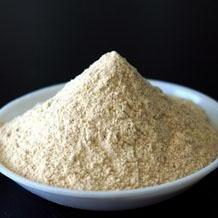
· Appearance: White to off-white crystalline powder
· Solubility: Highly soluble in water, slightly soluble in ethanol, insoluble in ether
· Melting Point: Approximately 178–182 °C (with decomposition)
· pH (1% solution): About 1.5–2.5 (strongly acidic)
· Due to its excellent water solubility and stability, L-Cysteine Hydrochloride Monohydrate is one of the most widely used forms of L-cysteine in practical applications.
L-Cysteine Hydrochloride Monohydrate can be produced by several methods, including:
This method involves the extraction of L-cysteine from keratin-rich materials such as animal hair, feathers, or human hair through acid or alkaline hydrolysis, followed by purification and crystallization with hydrochloric acid.
It is relatively low-cost and eco-friendly but involves complex purification steps.
Genetically engineered microorganisms (such as Escherichia coli or yeast) are cultured under controlled conditions to biosynthesize L-cysteine, which is then converted to its hydrochloride salt and crystallized.
This method enables large-scale, high-purity production and aligns with modern trends in green chemistry.
Chemical synthesis involves multi-step reactions using industrial chemicals like acrylonitrile and hydrogen sulfide to produce DL-cysteine, followed by chiral resolution to obtain L-cysteine.
While mature, this method is complex, generates more by-products, and raises environmental concerns.
L-Cysteine Hydrochloride Monohydrate is commonly used as a dough conditioner in bread and bakery products, improving dough elasticity, reducing gluten strength, and enhancing texture.
It is also employed in the production of flavor enhancers via Maillard reactions, especially for creating meaty aromas.
This compound serves as an antioxidant and stabilizer in various drug formulations.
It is a key precursor for N-acetylcysteine (NAC), a widely used mucolytic agent and antidote for acetaminophen poisoning and chronic obstructive pulmonary disease (COPD).
Due to its reducing and moisturizing properties, L-Cysteine Hydrochloride Monohydrate is used in hair care products, perm solutions, conditioners, and skincare products.
It helps repair damaged hair, protect against free radicals, and enhance skin barrier function.
In laboratories, this compound is frequently used in studies of protein structure, enzyme activity modulation, and metal ion chelation.
Its thiol group enables participation in disulfide bond formation and reduction, which is essential for maintaining protein tertiary structure.
L-Cysteine Hydrochloride Monohydrate is classified as GRAS (Generally Recognized As Safe) for use in foods and pharmaceuticals.
According to international standards, its acceptable daily intake (ADI) is 0–6 mg per kg of body weight.
Although generally safe, excessive intake may cause mild gastrointestinal discomfort; therefore, it should be used within recommended limits.
· Store in a cool, dry, and well-ventilated area
· Keep container tightly closed to prevent moisture absorption, clumping, or degradation
As a versatile sulfur-containing amino acid derivative, L-Cysteine Hydrochloride Monohydrate is an indispensable ingredient across many industries due to its excellent chemical stability, solubility, and bio-functionality.
With the continuous advancement of biotechnology and the increasing focus on sustainable production, the manufacturing processes of this compound are becoming more efficient and eco-friendly, signaling strong growth potential in the global market.