-
Tel:15618093168
|
Email:2307176274@qq.com


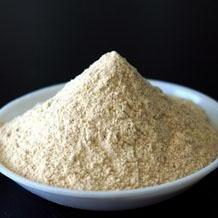
As a protonated amino acid salt compound, the solubility of L-arginine HCl is determined by the ionized groups in its molecular structure, intermolecular forces, and solvent/environmental conditions. Overall, it exhibits excellent water solubility and poor solubility in organic solvents, with its solubility significantly affected by factors such as temperature, pH value, and coexisting ions. A systematic analysis is presented below.
In the L-arginine HCl molecule, both the α-amino group and the side-chain guanidino group are protonated, forming positively charged cations that bind to chloride ions via ionic bonds. This highly polar ionic structure endows it with strong solubility in polar solvents, especially water. At 25℃, its solubility in pure water can reach approximately 200 g/L, which is much higher than that of free L-arginine (about 15 g/L at 25℃). This is because water molecules can wrap around the protonated nitrogen atoms and chloride ions through solvation, disrupting the hydrogen bond and ionic bond network in the crystal lattice, thus enabling the molecules to dissociate rapidly into hydrated ions and disperse in the solution.
Temperature is a key factor affecting its water solubility, with solubility showing a significant linear increase as temperature rises. For example, its solubility is approximately 80 g/L at 0℃, 120 g/L at 10℃, 240 g/L at 30℃, and nearly 350 g/L at 50℃. This is because the energy provided by heating further weakens intermolecular interactions, accelerates crystal dissolution, and enhances the diffusion rate of hydrated ions. Conversely, solubility decreases at low temperatures, and crystallization tends to occur in high-concentration solutions.
The effect of pH on its solubility is concentrated in the regulation of protonation states. In the acidic pH range of 2–4, the protonation state of L-arginine HCl is stable, and solubility remains at a high level. When the pH increases to 5–7, the degree of protonation of the α-amino group decreases, molecular polarity weakens, and solubility begins to decline gradually. If the pH further rises above 9, the side-chain guanidino group also undergoes deprotonation, at which point free L-arginine tends to precipitate out, causing the solution to become turbid and solubility to drop sharply. In strongly acidic conditions with pH < 2, excess hydrogen ions compete for hydration water molecules, resulting in a slight decrease in solubility, but the overall solubility remains at a relatively high level.
L-arginine HCl generally has poor solubility in organic solvents. It is only sparingly soluble in low-carbon alcohols such as methanol and ethanol (solubility < 5 g/L in methanol and < 2 g/L in ethanol at 25℃), because the polarity of alcohols is weaker than that of water, making them unable to effectively break ionic bonds. Its solubility is even lower (< 1 g/L) in moderately polar organic solvents such as acetone, diethyl ether, and ethyl acetate, and it is almost insoluble in non-polar solvents such as n-hexane and benzene. Adding a small amount of water to organic solvents can significantly improve its solubility, establishing a dissolution equilibrium in a mixed solvent system.
Coexisting ions can affect its solubility through the salt effect. When strong electrolytes such as sodium chloride and potassium chloride are present in the solution at low concentrations, the solubility of L-arginine HCl increases slightly due to the salting-in effect. However, at high electrolyte concentrations, a large number of coexisting ions compete with L-arginine HCl ions for solvated water molecules, leading to the salting-out effect, which causes a significant decrease in solubility and crystal precipitation. In addition, surfactants in the solution can improve the solubility of L-arginine HCl in organic solvents to a certain extent through micellar solubilization, but this method is mostly used in special extraction or reaction systems.
The solubility of L-arginine HCl holds significant practical value in applications. For instance, in pharmaceutical preparations, its high water solubility is utilized to produce liquid formulations such as injections and oral solutions. In the field of food and feed additives, its good water solubility facilitates uniform dispersion in various products. In biological experiments, the reversible process of crystallization and dissolution can be achieved by regulating pH and temperature, which is applied to the preparation, separation, and purification of high-purity crystals.