-
Tel:15618093168
|
Email:2307176274@qq.com



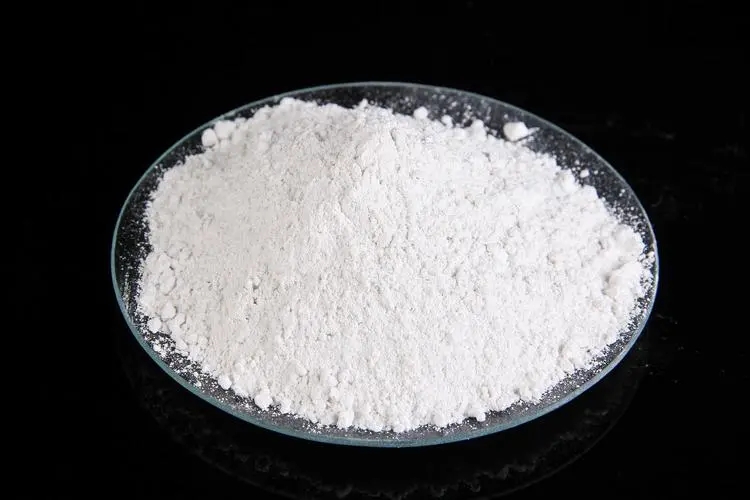
Glycine (abbreviated as Gly), also known as aminoacetic acid, is a non-essential amino acid with the chemical formula C₂H₅NO₂. Below is a detailed introduction to glycine:
I. Basic Properties
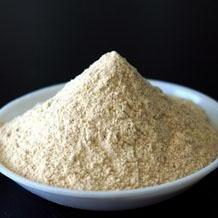
·Appearance and Characteristics: Glycine in solid form is a white to off-white crystalline powder, odorless, and non-toxic.
·Solubility: It is easily soluble in water but almost insoluble in ethanol or ether.
·Physical Properties: Glycine has a relatively high boiling point and melting point. By adjusting the pH of its aqueous solution, glycine can exhibit different molecular forms.
II. Biological Functions
·Protein Building: Glycine is one of the basic units of protein, involved in the formation of peptide chains and protein folding. Due to its small side chain, glycine has high flexibility in proteins, allowing them to form various complex structures in three-dimensional space.
·Energy Metabolism: Glycine participates in gluconeogenesis in the body, converting non-sugar substances into glucose, providing energy for the organism.
·Neurotransmitter Synthesis: Glycine is a precursor for the synthesis of the inhibitory neurotransmitter glycinergic, involved in the transmission and regulation of nerve signals.
III. Application Fields
·Pharmaceutical Industry: Glycine is used in the preparation of various drugs, such as antibiotics, antiviral drugs, and also in the preparation of amino acid infusions, nutritional supplements, etc.
·Food Industry: It is used as a flavor enhancer, sweetener, preservative, stabilizer, etc., to improve food flavor and extend shelf life.
·Feed Industry: As a feed additive, glycine increases the nutritional value of animal feed and enhances animal growth performance.
·Industrial Applications: Glycine can also be used as an additive in electroplating solutions, a pH regulator, an intermediate in pesticides, and more.
IV. Synthesis Methods Glycine can be synthesized through various methods, including chemical synthesis and biological fermentation. Among these, biological fermentation has gradually become mainstream due to its environmental friendliness and efficiency.
V. Health Benefits Glycine also has significant roles in health and medicine, such as lowering cholesterol and blood sugar levels, preventing and treating hypertension and diabetes, improving nervous system function, and enhancing athletic performance. Additionally, glycine benefits digestive system health by regulating bile acid secretion and reducing issues like excessive stomach acid.
From the above description, we can understand that glycine is a non-essential amino acid that plays a vital role in the body, with a wide range of applications and important health benefits.