-
Tel:15618093168
|
Email:2307176274@qq.com



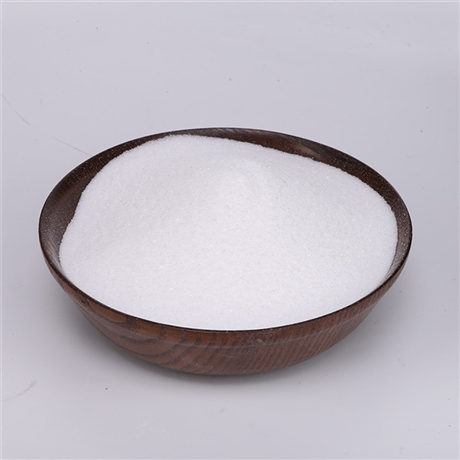
Storage methods for glycine require special attention to ensure its quality and stability. Below are some key storage points:
1. Storage Environment
·Temperature: Glycine should be stored in a low-temperature environment. The recommended storage temperature is typically 2-8°C, which is ideal for refrigeration. For certain special-purpose glycine (such as DOTA-PEG4-GGG), a lower storage temperature, such as -20°C, may be required to further ensure its stability and purity.
·Humidity: Glycine is highly hygroscopic, so strict humidity control is necessary during storage. The relative humidity should not exceed 50% to prevent glycine from absorbing moisture from the air, which could lead to quality degradation. Adding desiccants to the packaging or storing glycine in well-sealed containers can help keep it dry.
·Light Exposure: Glycine should be kept out of direct sunlight to avoid degradation due to UV exposure. Therefore, it should be stored in a dark, well-ventilated place, or using light-blocking packaging materials.
2. Packaging and Containers
·Packaging Method: The packaging of glycine should be chosen according to its specifications and intended use. Generally, small packages of glycine can be double-layered with plastic and sealed with aluminum foil; large packages of glycine can be packed in cardboard barrels lined with two layers of polyethylene film bags to prevent water ingress.
·Container Selection: Containers used for storing glycine should have good sealing properties to prevent air and moisture from entering. The containers should also be made of corrosion-resistant, non-toxic, and harmless materials to ensure that the glycine is not contaminated.
3. Other Considerations
·Preventing Contamination: Glycine should be stored separately from toxic or harmful substances to avoid cross-contamination.
·Shelf Life: The storage shelf life of glycine is typically around two years. However, the specific shelf life may vary depending on storage conditions, so it is important to check the expiration date before use and use the glycine within its shelf life.
·Pre-use Handling: After taking glycine out of the refrigerator, it should be allowed to warm to room temperature (e.g., 30 minutes to 1 hour) before opening the container to prevent clumping or moisture absorption due to a large temperature difference.
The storage of glycine requires comprehensive consideration of factors such as temperature, humidity, light exposure, packaging, and containers. Proper storage of glycine ensures its quality and stability, providing reliable assurance for subsequent use.