-
Tel:15618093168
|
Email:2307176274@qq.com



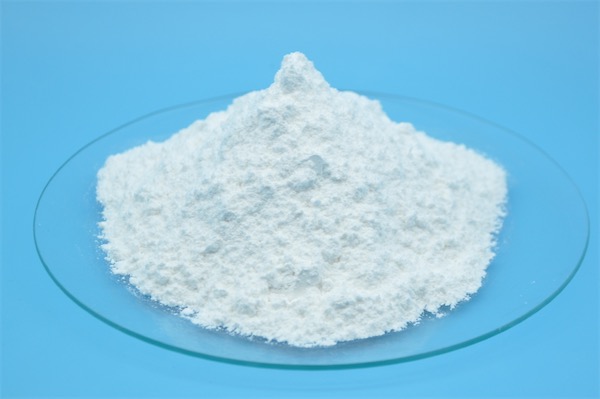
The storage methods for glycine require special attention to ensure its quality and stability. Below are some key storage methods:
1. Storage Environment
·Temperature: Glycine should be stored in a low-temperature environment, with a recommended storage temperature of 2-8°C, such as in a refrigerator. For certain specialized glycine products, like DOTA-PEG4-GGG, even lower storage temperatures may be required, such as -20°C.
·Humidity: Glycine is hygroscopic, meaning it easily absorbs moisture. Therefore, it must be kept dry during storage, with relative humidity not exceeding 50% to prevent glycine from absorbing moisture from the air, which could lead to a decline in quality.
·Light Exposure: Glycine should be protected from direct sunlight to avoid degradation caused by ultraviolet light. Therefore, it should be stored in a dark, well-ventilated place.
2. Packaging and Containers
·Packaging: The packaging of glycine should be well-sealed to prevent moisture ingress. Common packaging methods include double-layer plastic bags with an outer aluminum foil layer or cardboard drums lined with two layers of polyethylene film bags.
·Container Selection: Containers used to store glycine should be made of materials that do not chemically react with glycine, such as glass, stainless steel, or high-density polyethylene.
3. Other Considerations
·Moisture Protection: Special care must be taken to protect glycine from moisture during storage and use. If glycine absorbs moisture, its quality and stability may decrease, potentially leading to caking. Therefore, a desiccant can be added to the packaging, or it can be stored in a well-sealed container.
·Avoid Repeated Freezing and Thawing: For glycine products that require freezing, avoid repeated freezing and thawing to minimize the impact on quality.
·Safety Precautions: When storing glycine, adhere to relevant safety regulations, such as avoiding high-temperature baking, and prevent storage with toxic or harmful substances to avoid contamination.
The storage of glycine requires careful consideration of temperature, humidity, light exposure, packaging, and containers. Only with proper storage can the quality and stability of glycine be ensured, providing efficiency and convenience for future use.