-
Tel:15618093168
|
Email:2307176274@qq.com



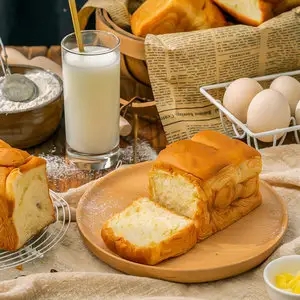
L-Methionine is an essential amino acid for humans. It typically exists as white crystalline flakes or powder with a characteristic odor and slightly bitter taste. L-methionine not only participates in protein synthesis but also serves as a precursor for various bioactive substances, playing a crucial role in maintaining normal physiological functions and metabolism. In baked goods, it acts as a dough improver with significant benefits.
Ⅰ. Applications in Baked Goods
1. Improves Dough Elasticity and Extensibility
· L-methionine enhances the strength and elasticity of dough, allowing it to maintain shape and stability better during the baking process. This contributes to baked goods that are well-shaped and have a soft texture.
2. Enhances Quality of Baked Goods
· By improving the dough's physical properties, l-methionine optimizes the texture and mouthfeel of baked products, making them finer, softer, and with enhanced flavor and aroma.
3. Antioxidant Properties
· L-methionine has antioxidant capabilities that protect fats and proteins in baked goods from oxidative damage, helping to extend shelf life and maintain freshness and quality.
Ⅱ. Advantages of Using L-Methionine as a Dough Improver
1. Natural and Safe
· As a natural amino acid, l-methionine is safer and less harmful to the body compared to synthetic dough improvers.
2. Effective Results
· L-methionine significantly enhances the physical properties of dough and the quality of baked goods, making them more flavorful and enjoyable.
3. Multifunctional
· Besides being a dough improver, l-methionine can also serve as a nutritional supplement and food additive, offering multiple functional benefits.
Ⅲ. Dosage and Precautions for L-Methionine
1. Dosage
· The amount of l-methionine added to baked goods should be determined according to specific baking formulas and processes. Generally, it should be added in accordance with relevant food safety standards and regulations.
2. Precautions
· When using l-methionine as a dough improver, attention should be paid to its compatibility and stability with other ingredients; excessive amounts should be avoided to prevent adverse effects on taste and quality. L-methionine should be stored in a dry, cool, and well-ventilated environment, away from direct sunlight and high temperatures.
As a dough improver in baked goods, l-methionine offers significant advantages and effects. By enhancing dough properties and improving the quality of baked products, it opens up more possibilities and innovation in the baking industry.